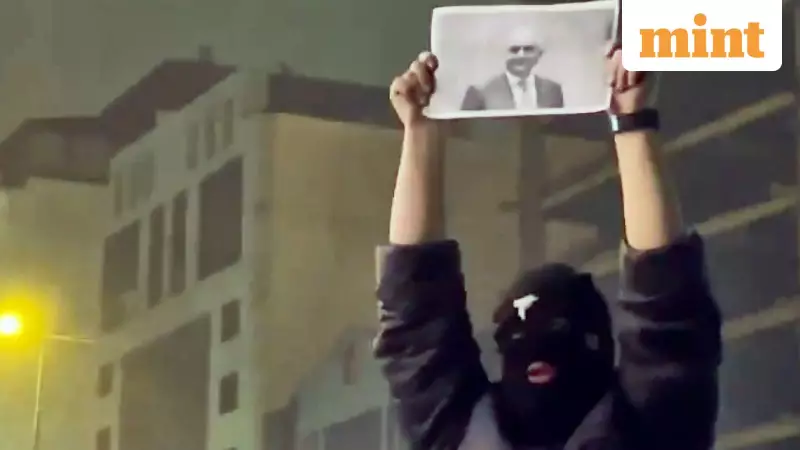
In a significant escalation of rhetoric, US President Donald Trump has thrown his weight behind the ongoing wave of protests in Iran, issuing direct warnings to the Tehran government against using lethal force on demonstrators. The nationwide unrest, now in its 11th day, represents the most serious challenge to the Iranian leadership in three years, driven by deep-seated public anger over a collapsing economy, soaring inflation, and currency devaluation.
Economic Despair Fuels Widespread Protests
The current wave of demonstrations was initially triggered by economic hardship. It began on December 28 in Tehran, where shopkeepers took to the streets to protest the government's handling of a sharp currency slide and skyrocketing prices. The protests have since spread across multiple Iranian provinces, with reports of violence and deaths.
Iran's economy has been in a prolonged state of crisis since the United States reimposed crippling sanctions in 2018, following President Trump's decision to withdraw from the international nuclear agreement. The Iranian rial has lost more than a third of its value against the US dollar in the past year alone. High inflation has eroded purchasing power, pushing basic necessities out of reach for many citizens.

The economic pressure intensified in December after sanctions tightened and Iran grappled with the aftermath of its June conflict with Israel, leading to another sharp fall in the currency's value. The protests that erupted on December 28 show no signs of abating.
Trump's Direct Warnings and Offers of Support
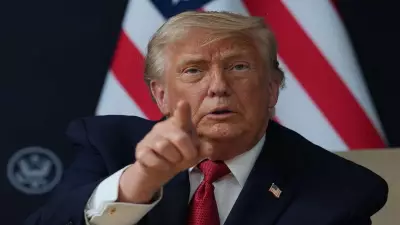
President Trump has been vocal in his support for the protesters, using his platform on Truth Social to communicate directly. On January 10, he wrote, "Iran is looking at FREEDOM, perhaps like never before. The USA stands ready to help!!!"
He has repeatedly drawn a red line regarding the use of force by Iranian authorities. On January 5, Trump stated, "If they start killing people like they have in the past, I think they're going to get hit very hard by the United States." Earlier, on January 2, he issued an even more forceful warning: "If Iran shoots and violently kills peaceful protesters, which is their custom, the United States of America will come to their rescue. We are locked and loaded and ready to go."
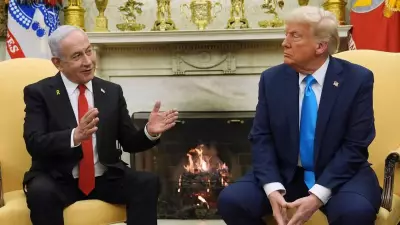
Trump also issued a separate warning to Tehran regarding any attempts to rebuild its military or nuclear capabilities after recent strikes. Speaking alongside Israeli Prime Minister Benjamin Netanyahu on December 30, he said, "Now I hear that Iran is trying to build up again. And if they are, we're going to have to knock them down... We'll knock the hell out of them," while expressing hope such action wouldn't be necessary.
Escalating Rhetoric from US Allies
The warnings from the White House were amplified by Republican Senator Lindsey Graham. On January 8, in a blunt message directed at Iran's Supreme Leader Ayatollah Ali Khamenei, Graham told Fox News, "To the Ayatollah: you need to understand, if you keep killing your people who are demanding a better life, Donald J Trump is going to kill you."
Graham stressed that Trump's confrontational approach marks a stark departure from the policies of former President Barack Obama, asserting, "Donald J Trump is not Barack Obama. He has your back."
The current tensions follow a 12-day air war in June between Israel and Iran, which resulted in nearly 1,100 Iranian casualties, including senior military commanders, from Israeli and US strikes. Iranian retaliatory missile attacks killed 28 people in Israel. The US directly entered that conflict by striking Iranian nuclear sites at Fordow, Natanz, and Esfahan, facilities Trump later claimed were "totally obliterated."
As the protests driven by economic distress and public outrage continue to spread, they underscore a profound crisis of confidence in Iran's political leadership. With the United States now explicitly aligning itself with the demonstrators and issuing stark threats, the international dimension of Iran's domestic unrest has reached a new and volatile peak.