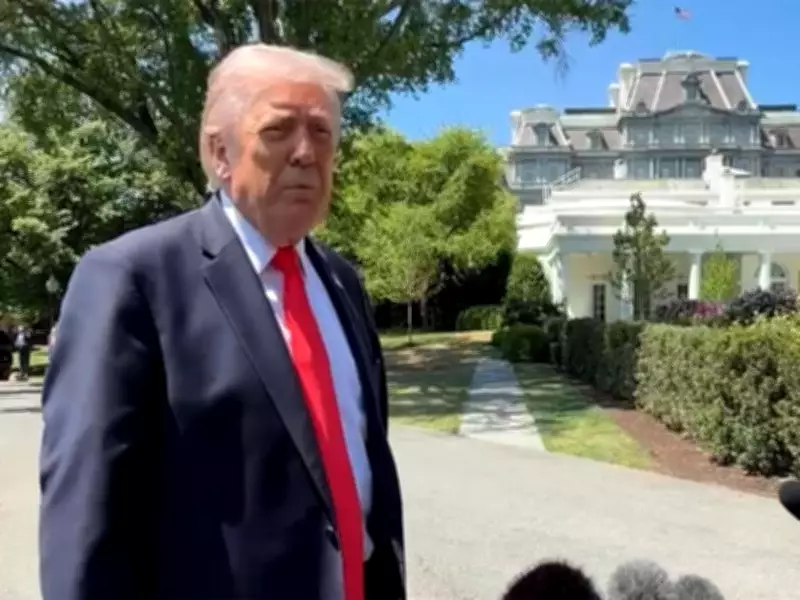
President Donald Trump has formally notified Congress that he considers the War Powers resolution deadline 'totally unconstitutional' and has sent a letter to lawmakers declaring the termination of hostilities. The move comes amid ongoing tensions over the administration's military actions and the constitutional limits of executive power.
Background of the Conflict
The War Powers Resolution of 1973 requires the president to notify Congress within 48 hours of committing armed forces to military action and prohibits forces from remaining for more than 60 days without congressional authorization. Trump's letter asserts that the deadline is unconstitutional, arguing that it infringes on the president's authority as commander-in-chief.
Trump's Formal Letter
In his letter, Trump stated that 'hostilities have been terminated' regarding recent military engagements, though he did not specify which operations. He emphasized that the administration acted lawfully and that the War Powers resolution does not apply to the current situation. The letter is seen as a direct challenge to Congress's power to check presidential military actions.

Congressional Reaction
Lawmakers from both parties have reacted strongly. Some Democrats accused Trump of overstepping his authority, while some Republicans defended his right to protect national security. House Speaker Nancy Pelosi called the letter 'another example of the president's disregard for the Constitution.' Senate Majority Leader Mitch McConnell urged caution, noting that the issue may ultimately be decided by the courts.
Legal Implications
Constitutional experts are divided on the validity of Trump's claims. Some argue that the War Powers Resolution is itself constitutional, while others believe the president has broad latitude in foreign affairs. The Supreme Court has never definitively ruled on the resolution's constitutionality, leaving the matter unresolved.
This development adds to the ongoing debate over executive power and the separation of powers, with potential long-term implications for how the United States engages in military conflicts.