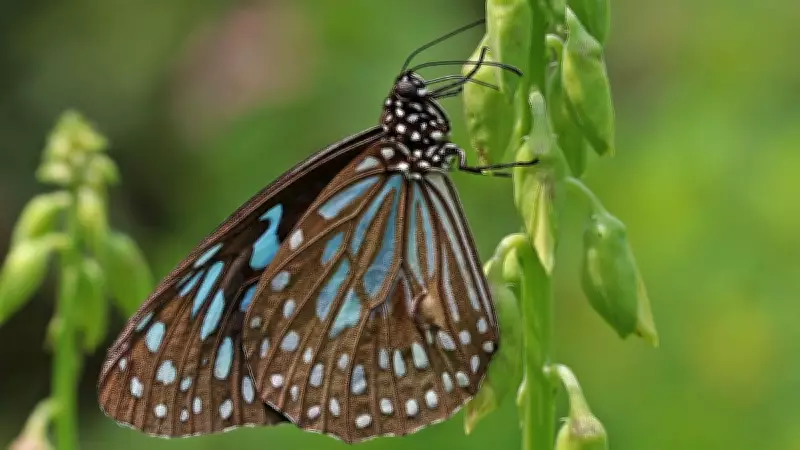
Recent observations have documented significant and unusual changes in the migratory patterns of various butterfly species. These shifts, which include alterations in timing, routes, and destinations, are raising concerns among entomologists and conservationists about the broader implications for ecosystems and biodiversity.
According to a new report, butterflies that typically migrate long distances are now appearing in regions where they were previously rare or absent. Conversely, some traditional migratory routes are seeing a decline in butterfly numbers. The changes are attributed primarily to climate change, which is altering temperature and precipitation patterns, as well as the availability of host plants. Habitat loss due to urbanization and agricultural expansion is also playing a critical role.
Key Findings on Butterfly Migration
The study, conducted over several years, tracked multiple species including the monarch butterfly, painted lady, and red admiral. Researchers used a combination of citizen science data, satellite tracking, and field observations to map the movements. Key findings include:

- Earlier Migration: Many species are beginning their migrations weeks earlier than historical averages, likely in response to warmer spring temperatures.
- Route Shifts: Some populations are bypassing traditional stopover sites, possibly due to changes in food availability or weather patterns.
- New Overwintering Grounds: Butterflies are establishing overwintering sites in cooler, higher-altitude areas as their traditional grounds become too warm or dry.
Impact on Ecosystems
Butterflies are important pollinators and indicators of environmental health. Their altered migration patterns can disrupt pollination networks and affect the reproductive success of plants. Additionally, changes in butterfly populations can have cascading effects on predators such as birds and spiders that rely on them for food.
Conservationists are calling for urgent action to mitigate the impacts. Strategies include creating butterfly-friendly habitats, reducing pesticide use, and establishing protected corridors along migration routes. The study emphasizes the need for international cooperation, as butterflies cross multiple borders during their journeys.
While some species may adapt to the changes, others face increased risk of decline or extinction. The findings underscore the broader consequences of climate change on migratory species and the importance of preserving natural habitats.