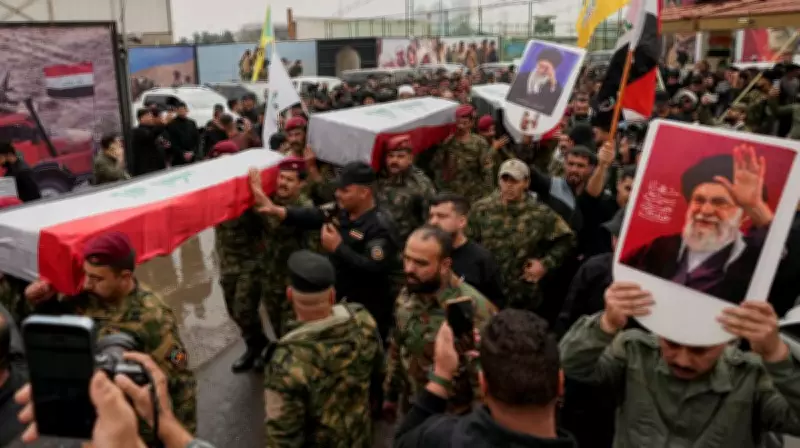
Trump Reportedly Pursues Truce Deal with Iran Amid Stalled Diplomacy
In a significant development in Middle East geopolitics, former United States President Donald Trump is actively seeking a truce agreement with Iran, according to recent reports. However, Israeli officials have expressed skepticism, suggesting that Tehran may be unwilling to accept the stringent conditions set forth by Washington. This potential diplomatic impasse underscores the persistent and complex tensions between the two nations, which have been exacerbated by years of sanctions and regional proxy conflicts.
Details of the Proposed Truce and US Demands
The proposed truce deal, as outlined by sources familiar with the matter, aims to de-escalate hostilities and establish a temporary ceasefire. The United States is reportedly demanding that Iran adhere to strict limitations on its nuclear program, cease support for militant groups in the region, and engage in verifiable compliance measures. These conditions are seen as non-negotiable by the Trump administration, reflecting a hardline stance that has characterized US policy toward Iran in recent years.
Israeli officials have voiced concerns that Iran's leadership may find these terms unacceptable, potentially leading to a breakdown in negotiations. They point to Tehran's historical resistance to external pressure and its emphasis on sovereignty as key factors that could hinder agreement. The officials also highlight Iran's ongoing economic challenges due to sanctions, which might influence its willingness to compromise, but not necessarily in favor of US demands.

Regional Implications and Israeli Perspectives
The pursuit of a truce deal comes amid heightened regional instability, with conflicts in Syria, Yemen, and Lebanon often involving Iranian-backed forces. Israeli officials warn that any agreement must address Iran's regional activities to be effective. They argue that a mere pause in hostilities without substantive changes in Iran's behavior could allow Tehran to regroup and strengthen its influence, posing continued threats to Israel and other US allies in the Middle East.
From Israel's perspective, the stakes are high. The country has long viewed Iran as an existential threat due to its nuclear ambitions and support for groups like Hezbollah. Israeli officials are closely monitoring the negotiations, emphasizing that any deal should include:
- Complete and verifiable dismantlement of Iran's nuclear capabilities.
- Cessation of ballistic missile development and testing.
- An end to financial and military aid to proxy militias across the region.
These demands align with broader US goals but add layers of complexity to the diplomatic process.
Challenges and Potential Outcomes
The path to a truce is fraught with challenges. Iran's government, led by President Ebrahim Raisi, has consistently asserted its right to a peaceful nuclear program and regional influence. Accepting US conditions could be politically damaging domestically, especially given Iran's upcoming elections and public sentiment against foreign intervention. Conversely, rejecting the deal might lead to renewed escalation, including possible military confrontations or tighter sanctions.
Israeli officials speculate that Tehran might counter-propose alternative terms, such as phased sanctions relief or limited concessions on nuclear activities. However, they doubt that the Trump administration would deviate from its core demands, setting the stage for a potential stalemate. The situation is further complicated by internal US politics, with Trump's potential return to power influencing diplomatic strategies.
In summary, while Trump's push for a truce with Iran represents a notable diplomatic effort, Israeli officials caution that Tehran's reluctance to meet US conditions could derail the process. The outcome will significantly impact regional security and global non-proliferation efforts, making this a critical issue to watch in the coming months.