

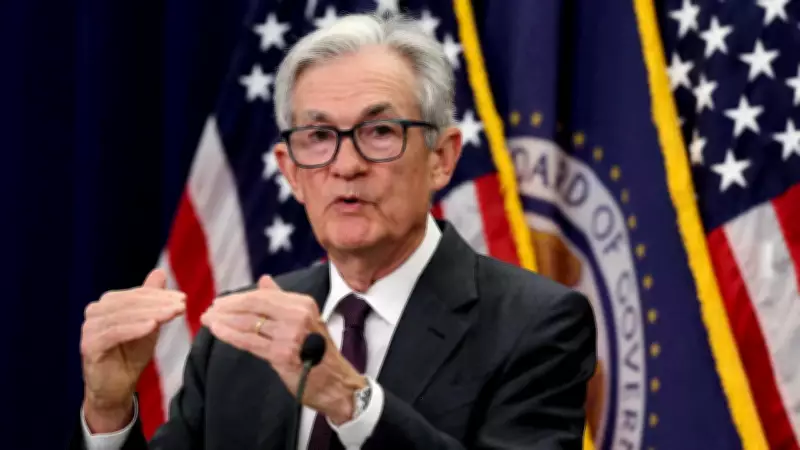
Trump Escalates Fed Conflict with Direct Threat to Fire Powell
In a dramatic escalation of his long-running feud with America's central bank, former US President Donald Trump has renewed his threat to fire Federal Reserve Chair Jerome Powell if he doesn't depart when his term concludes in mid-May. The remarks came during a Wednesday interview with Fox Business, where Trump made his intentions unmistakably clear regarding the leadership of the nation's independent monetary authority.
"I'll Have to Fire Him": Trump's Ultimatum to Fed Chair
"I'll have to fire him," Trump declared unequivocally, referring specifically to the scenario where Powell "is not leaving on time." The former president added with characteristic bluntness: "I've wanted to fire him." This public ultimatum represents the latest chapter in Trump's persistent criticism of Powell's monetary policy decisions, particularly his perceived reluctance to implement more aggressive interest rate cuts.
The Federal Reserve operates as an independent entity within the US government, with its chair traditionally insulated from direct political pressure. However, Trump's comments signal a willingness to challenge this long-standing convention, potentially setting a precedent with significant implications for central bank independence worldwide.

Administration Pressure Tactics Extend Beyond Rhetoric
The verbal assault coincides with concrete administrative actions targeting the Federal Reserve's leadership. The Trump administration has initiated a Department of Justice investigation into Powell concerning alleged renovation cost overruns at the central bank's facilities. Additionally, efforts are underway to remove Fed Governor Lisa Cook from her position.
When questioned about whether he would consider dropping the DOJ probe, Trump responded cryptically: "I'm not playing. I have to find out." This suggests the investigation may serve as leverage in the broader confrontation over Federal Reserve leadership and policy direction.
Nomination Battle Creates Constitutional Standoff
Trump has nominated former central banker Kevin Warsh to succeed Powell as Fed chair, but this appointment requires confirmation by the US Senate. Warsh is scheduled to appear before the Senate Banking Committee next Tuesday, though his confirmation faces substantial political resistance.
Republican Senator Thom Tillis, a committee member, has announced he will hold up Warsh's nomination while the investigation into Powell remains unresolved. This creates a constitutional standoff: as long as the nomination process remains delayed, Powell can legally continue serving as Fed chair even after his official term expires in May.
Historical Context and Institutional Implications
While uncommon, it is technically possible for a Federal Reserve chair to remain on the board even after their term as chief expires. Powell first assumed the Fed chair position in 2018 during Trump's earlier presidency and was subsequently reappointed in 2022 under President Joe Biden.
The current confrontation raises fundamental questions about the relationship between presidential authority and central bank independence. Financial markets typically prize Federal Reserve autonomy as crucial for maintaining monetary policy credibility and economic stability. Trump's aggressive posture toward Powell represents perhaps the most direct challenge to this independence in modern American history.
The outcome of this power struggle will likely influence not only interest rate decisions in the coming months but also the institutional framework governing America's monetary policy for years to come. With the Fed chair's term expiration approaching in May and a nomination battle underway in the Senate, the coming weeks promise continued tension between the executive branch and the nation's central banking authority.






