YSRCP Leader and Comedian Detained in Andhra Pradesh Over Social Media Controversy
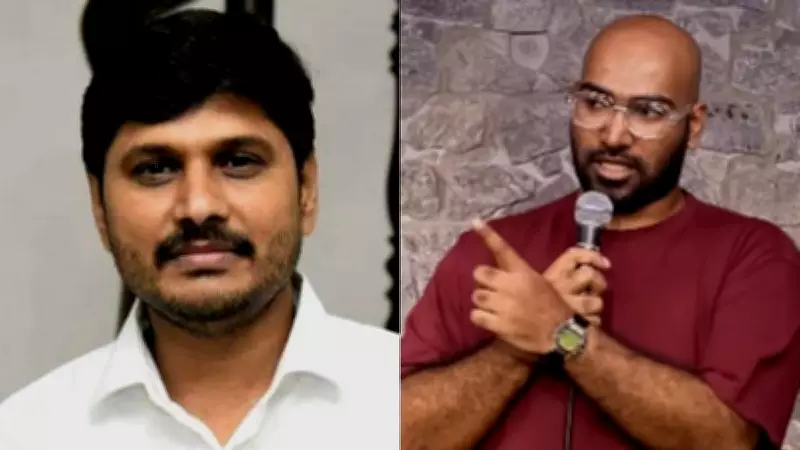
In a significant development that has ignited political tensions, YSRCP leader Pudi Srihari and stand-up comedian Anudeep Katikala have been detained by authorities in Andhra Pradesh. The detentions stem from separate social media posts that have been deemed controversial, with Srihari allegedly making posts critical of the government and Katikala for remarks targeting actor-politician Pawan Kalyan.
Swift Condemnation from YSRCP Leadership
The arrests triggered immediate and forceful condemnation from YSRCP leaders across the state. Party officials have labeled the detentions as not only illegal but also a blatant assault on fundamental democratic rights and freedom of expression. They argue that such actions undermine the principles of a free society and represent an overreach by law enforcement agencies.
YSRCP spokespersons have been vocal in their criticism, asserting that the arrests are politically motivated and aimed at silencing opposition voices. The party has called for the immediate release of Srihari and has vowed to challenge the detentions through legal and political channels.

Details of the Social Media Posts
While specific details of the posts remain under investigation, sources indicate that Pudi Srihari's content involved commentary on current political affairs in Andhra Pradesh, which authorities found objectionable. In a separate case, comedian Anudeep Katikala was held for making remarks about Pawan Kalyan, a prominent figure in state politics and the film industry, which were perceived as derogatory or inflammatory.
The incidents highlight the ongoing tensions between freedom of speech and regulatory oversight in the digital age, particularly in politically charged environments. Social media platforms have become battlegrounds for political discourse, often leading to legal confrontations when content crosses perceived boundaries.
Broader Implications for Democracy and Free Speech
This event raises critical questions about the balance between maintaining public order and upholding constitutional rights. Legal experts suggest that such detentions could set a precedent for how social media content is policed, potentially chilling free expression among citizens and public figures alike.
The YSRCP's strong reaction underscores the political ramifications, with the party positioning itself as a defender of democratic values against what it views as authoritarian tendencies. As the situation unfolds, it is likely to fuel debates on:
- The limits of free speech in online spaces
- The role of law enforcement in regulating digital content
- The intersection of politics and personal expression in India's vibrant democracy
Observers note that this incident could influence upcoming political dynamics in Andhra Pradesh, where parties like YSRCP, TDP under Chandrababu Naidu, and Pawan Kalyan's Jana Sena are key players. The detentions may galvanize support for the YSRCP among its base while drawing scrutiny from civil liberties groups.
As of the latest updates, both individuals remain in custody, with legal proceedings expected to commence shortly. The case continues to develop, with potential for further political and legal repercussions across the state and beyond.