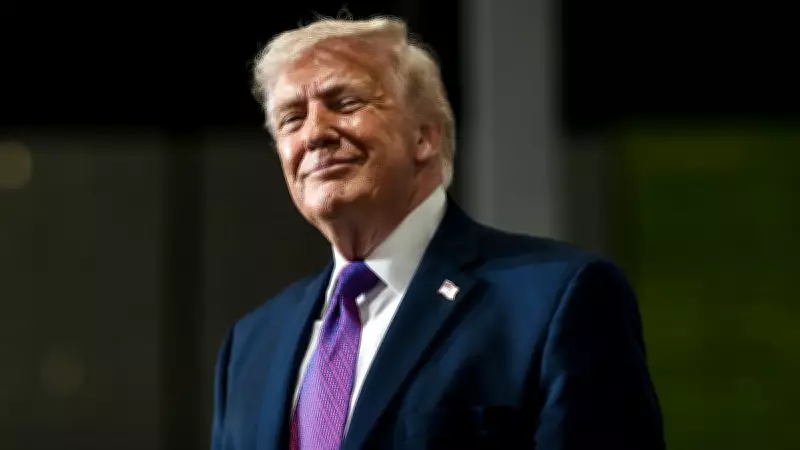
Trump Advocates for Privatization of Airport Security Amid TSA Turmoil
In a significant policy proposal, former U.S. President Donald Trump has called for the privatization of airport security operations, citing a deepening crisis within the Transportation Security Administration (TSA). This move aims to tackle persistent staffing shortages and operational inefficiencies that have plagued the agency in recent years.
Addressing the TSA Staffing Shortage
The TSA, responsible for screening passengers and baggage at U.S. airports, has faced severe challenges in maintaining adequate staffing levels. Reports indicate that high turnover rates, low morale, and competitive job markets have contributed to a critical shortage of screeners, leading to longer wait times and potential security vulnerabilities.
Trump's proposal suggests that transferring these operations to private contractors could streamline processes, improve efficiency, and reduce costs. Proponents argue that private firms might offer better pay and working conditions, attracting more qualified personnel and enhancing overall security measures.

Debate Over Public vs. Private Management
This initiative has ignited a heated debate among policymakers, security experts, and the public. Supporters of privatization claim that it could introduce innovation and accountability, as private companies often operate with greater flexibility and responsiveness to market demands.
However, critics raise concerns about potential risks, including reduced oversight, inconsistent training standards, and profit-driven motives that might compromise security. They emphasize that the TSA, as a federal agency, provides uniform protocols and direct government control, which they argue is essential for national security.
Historical Context and Future Implications
The TSA was established in response to the 9/11 attacks to centralize and standardize airport security. Over the years, it has faced scrutiny for various issues, from long lines to technological failures. Trump's proposal echoes previous discussions about privatizing certain TSA functions, though it marks a more comprehensive approach.
If implemented, this shift could reshape airport security across the United States, potentially setting a precedent for other nations grappling with similar challenges. The outcome will depend on legislative support, public opinion, and further analysis of privatization's impact on safety and efficiency.
As the debate continues, stakeholders are closely monitoring developments, with many calling for a balanced solution that addresses staffing woes without sacrificing the rigorous standards necessary to protect air travel.