

Pakistan's Foreign Minister Unveils Five-Point Peace Plan for West Asia Conflict in Talks with Saudi Arabia
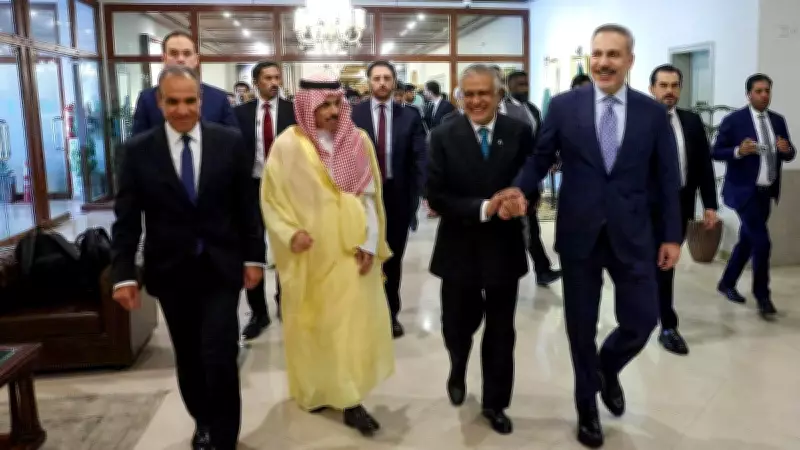
In a significant diplomatic move, Pakistan's Foreign Minister Ishaq Dar engaged in high-level discussions with Saudi Arabia's Foreign Minister Prince Faisal bin Farhan to address the escalating conflict in West Asia. The talks centered on a comprehensive five-point peace plan proposed by Pakistan, aimed at fostering stability and resolving tensions in the region.
Key Elements of the Peace Proposal
The five-point peace plan presented by Pakistan includes several critical components designed to mitigate the conflict. First, it emphasizes an immediate cessation of hostilities to prevent further loss of life and property. Second, the plan calls for enhanced humanitarian assistance to affected populations, ensuring access to essential services and aid. Third, it advocates for diplomatic dialogue between conflicting parties to negotiate a sustainable peace agreement.
Additionally, the proposal highlights the importance of regional cooperation and international support to implement these measures effectively. Fourth, it stresses the need for economic stability in conflict-affected areas to rebuild infrastructure and support recovery efforts. Fifth, the plan promotes long-term peacebuilding initiatives that address root causes of the conflict, such as political grievances and social disparities.

Diplomatic Engagement and Regional Implications
During the meeting, Foreign Minister Dar and Prince Faisal bin Farhan exchanged views on the current situation in West Asia, underscoring the urgency of de-escalation. Both officials acknowledged the shared responsibility of regional powers in promoting peace and security. The discussion also touched upon broader geopolitical dynamics, including the role of international organizations in facilitating mediation efforts.
Pakistan's proactive approach in presenting this peace plan reflects its commitment to regional stability, leveraging its diplomatic ties with Saudi Arabia, a key player in Middle Eastern affairs. The Saudi counterpart expressed appreciation for the initiative, indicating potential collaboration in advancing these peace objectives. This dialogue marks a pivotal step in mobilizing regional support for conflict resolution, with implications for reducing violence and fostering cooperation among West Asian nations.
Context and Future Prospects
The West Asia conflict, characterized by ongoing tensions and sporadic violence, has drawn international concern due to its humanitarian impact and regional instability. Pakistan's five-point peace plan emerges as a structured response to these challenges, aiming to bridge divides through dialogue and aid. As diplomatic efforts continue, the involvement of Saudi Arabia could enhance the plan's credibility and implementation, given its influence in the region.
Looking ahead, the success of this initiative will depend on multilateral engagement and adherence to the proposed measures. Stakeholders are urged to prioritize peace over conflict, with Pakistan and Saudi Arabia poised to lead by example in advocating for a peaceful resolution. This development underscores the evolving role of diplomacy in addressing complex international crises, offering a blueprint for collaborative conflict management in West Asia and beyond.






