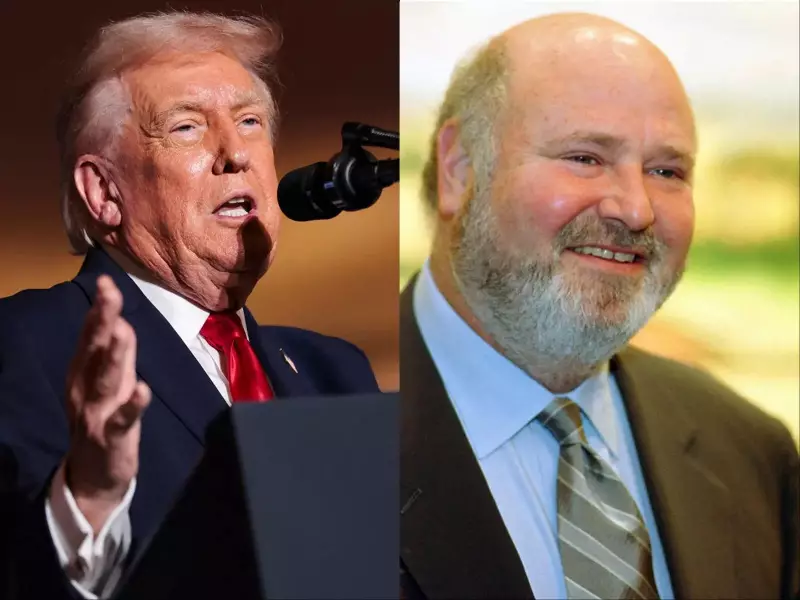
In a shocking and controversial statement, former US President Donald Trump has connected the tragic deaths of Hollywood director Rob Reiner and his wife, Michele, to what he calls 'Trump Derangement Syndrome' (TDS). The couple was found dead over the weekend in an incident officials are investigating as a homicide.
Trump's Provocative Social Media Post
On Monday morning, Trump took to his Truth Social platform to comment on the tragedy. He described the 78-year-old Reiner, a prominent Democratic Party supporter and vocal critic, as a "tortured and struggling, but once very talented movie director and comedy star." Trump's post claimed Reiner passed away "reportedly due to the anger he caused others through his massive, unyielding, and incurable affliction with a mind crippling disease known as TRUMP DERANGEMENT SYNDROME."
He further alleged that Reiner had a "raging obsession" with him, with paranoia that grew as the "Trump Administration surpassed all goals and expectations of greatness." The post concluded with, "May Rob and Michele rest in peace!"

Son Arrested Amid Homicide Investigation
The couple's 32-year-old son, Nick Reiner, has been arrested in connection with the case. Law enforcement authorities are treating the deaths as a homicide, though specific details surrounding the circumstances and the son's alleged involvement remain under investigation. The news has sent shockwaves through Hollywood and political circles alike.
What is 'Trump Derangement Syndrome'?
The term 'Trump Derangement Syndrome' was popularised by Trump himself. He defines it as an instinctual negative and often violent reaction to any statement or event supportive of him. The concept entered legal discourse recently when legislators in Minnesota proposed a bill seeking to classify intense opposition to Donald Trump as a mental health condition.
The proposed legislation described the condition as involving "verbal expressions of intense hostility toward" Trump and "overt acts of aggression and violence" against his supporters or symbols. This move raised significant constitutional concerns regarding the right to criticise public officials and fears about using psychiatry to suppress political dissent.
Experts have strongly warned against such politicisation of mental health. They emphasise that legitimate psychiatric diagnoses require proper examination by licensed professionals. The situation has drawn parallels to past instances where mental health professionals expressed concerns about Trump's own psychological state, highlighting the risks of politicians pathologising opponents.
The tragic incident and Trump's response have ignited a fresh debate about political rhetoric, mental health stigmatisation, and the boundaries of public discourse in a deeply divided America.