Donald Trump Jr, son of former US President Donald Trump, has amplified a viral social media post that draws a sharp comparison between two high-profile Australian incidents: the deportation of tennis star Novak Djokovic in 2022 and the presence of the alleged gunman in the deadly Bondi Beach Hanukkah shooting in December 2025. The post, which has sparked widespread online debate, puts a spotlight on questions surrounding Australia's border enforcement, immigration screening protocols, and national security priorities.
Viral Comparison Questions Border Policy Consistency
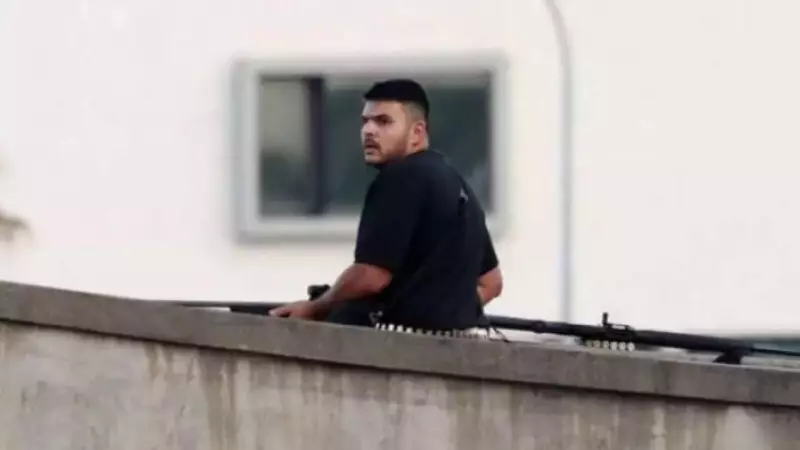
The widely circulated post juxtaposes two images. One shows Serbian tennis champion Novak Djokovic, who was removed from Australia in January 2022 after authorities cancelled his visa. The government's decision was based on the grounds that his refusal to receive a Covid-19 vaccine could potentially undermine public confidence in critical health measures during the pandemic. The other image features an armed militant allegedly linked to the Bondi Beach attack. Sharing this comparison, Trump Jr added a caption that implied a perceived inconsistency in Australia's border control and risk assessment systems. This action has attracted millions of views and fuelled extensive discussion across various social media platforms.
The Djokovic deportation remains one of the most prominent examples of Australia's strict pandemic-era border enforcement. It followed a decision by the federal government to cancel his visa using special ministerial powers under the Migration Act. Officials at the time clarified that the move was driven solely by public health considerations related to Covid-19 and not by any criminal or security-related concerns about the athlete himself.

Scrutiny on Bondi Attacker's Background and Screening
The incident being contrasted occurred in mid-December 2025, when a Hanukkah gathering at Bondi Beach was shattered by a shooting that resulted in multiple fatalities and injuries. Australian authorities have labelled the event an antisemitic terrorist attack, launching a major counter-terrorism investigation. The suspect was apprehended at the scene, and police continue to probe the motive, planning, and any potential network of accomplices.
Online discourse has intensely focused on emerging claims that the alleged gunman had previously come to the attention of Australia's domestic intelligence agency, the Australian Security Intelligence Organisation (ASIO), as far back as 2019. The reports suggest this was due to alleged associations with extremist circles. While Australian officials have not released detailed information on past intelligence assessments—citing legal and operational sensitivities—they have confirmed that internal reviews are actively underway. These reviews aim to examine whether existing monitoring and intervention processes were adequately followed in this case.
Renewed Debate on Immigration and Security Protocols
The tragic attack has inevitably renewed intense scrutiny of Australia's immigration and national security screening systems. Commentators and the public are questioning how long-term risk assessments are managed, particularly in cases where individuals have earlier intelligence flags but are not deemed an immediate threat. The comparison with the swift deportation of Djokovic over a health rule violation has added fuel to this debate about prioritisation and resource allocation in border security.
In response, government representatives have emphasised that intelligence assessments operate under strict legal thresholds and that not every person of interest can be subjected to constant surveillance or preventive detention. They have stressed that the investigations into the Bondi Beach shooting are ongoing and that findings from the internal reviews of intelligence and security procedures will directly inform any future policy or operational changes. These changes could relate to counter-terrorism strategies, border control mechanisms, and immigration screening protocols.

Australian authorities maintain that the Djokovic case and the Bondi attack are fundamentally different in nature—one a public health compliance issue during a global pandemic, and the other a criminal terrorist investigation. However, the viral political commentary spearheaded by figures like Donald Trump Jr ensures that the conversation about the balance between security, liberty, and consistency in enforcement will continue to dominate public discourse in Australia and internationally.