Trump Escalates Rhetoric, Brands Iran as America's Top Foe After Hormuz Ultimatum
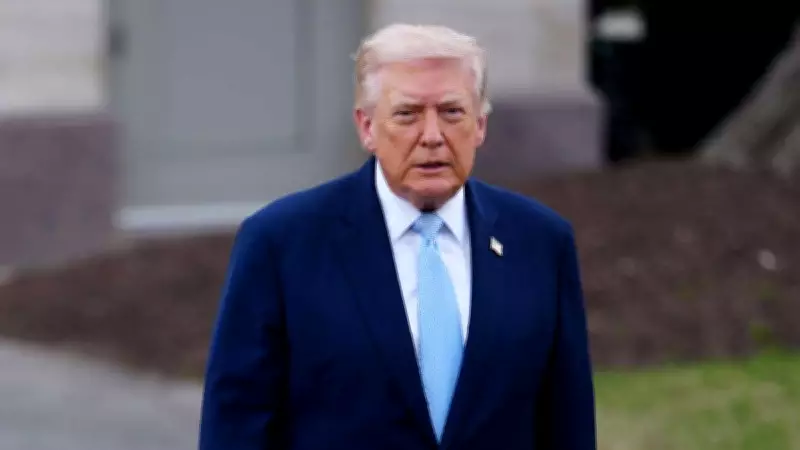
In a stark declaration that has sent shockwaves through international diplomatic circles, former United States President Donald Trump has unequivocally labeled Iran as the 'greatest American enemy'. This provocative statement comes hot on the heels of a critical 48-hour ultimatum issued by Trump concerning the strategically vital Strait of Hormuz, a maritime chokepoint crucial for global oil shipments. The remarks, made public on March 22, 2026, mark a significant escalation in the already tense relations between Washington and Tehran, potentially reshaping the geopolitical landscape of the Middle East.
The Context: A 48-Hour Ultimatum and Its Implications
The backdrop to Trump's incendiary comments is a high-stakes ultimatum delivered just two days prior, which directly addressed Iran's activities and influence in the Strait of Hormuz. This narrow waterway, located between the Persian Gulf and the Gulf of Oman, is arguably one of the most critical maritime passages in the world, through which approximately one-fifth of the global oil supply transits. The ultimatum, details of which remain closely guarded, reportedly demanded immediate changes in Iran's behavior regarding naval operations and regional security in the area. Failure to comply, it is implied, could trigger severe consequences, including potential military or economic retaliation from the United States.
Analyzing Trump's 'Greatest Enemy' Remark
Trump's characterization of Iran as the 'greatest American enemy' is not merely rhetorical flair but a calculated political move with profound implications. Historically, such labels have been reserved for adversaries perceived as existential threats, such as during the Cold War with the Soviet Union or more recently with terrorist organizations. By applying this designation to a nation-state like Iran, Trump is effectively framing the bilateral conflict in stark, uncompromising terms. This aligns with his longstanding hardline stance on Iran, which includes withdrawing from the Iran nuclear deal (JCPOA) during his presidency and imposing crippling economic sanctions. The remark likely aims to galvanize domestic support, influence foreign policy discourse, and pressure the current U.S. administration to adopt a more confrontational approach.

Regional and Global Repercussions
The fallout from Trump's statement and the preceding ultimatum is expected to be far-reaching, impacting multiple dimensions of international relations:

- Middle East Stability: The escalation threatens to destabilize an already volatile region, potentially provoking retaliatory actions from Iran or its proxies, and drawing in regional powers like Saudi Arabia and Israel.
- Global Oil Markets: Any conflict or heightened tension in the Strait of Hormuz could disrupt oil shipments, leading to price spikes and economic uncertainty worldwide, affecting economies dependent on energy imports.
- Diplomatic Relations: U.S. allies in Europe and Asia, many of whom favor diplomatic engagement with Iran, may find themselves at odds with Washington's hardened position, straining transatlantic and international partnerships.
- Security Dynamics: The situation could accelerate arms races and military buildups in the Persian Gulf, as nations seek to protect their interests amid rising threats.
Historical Context and Future Outlook
Trump's remarks are situated within a long history of U.S.-Iran antagonism, dating back to the 1979 Iranian Revolution and the subsequent hostage crisis. Over decades, tensions have fluctuated, with periods of diplomatic thaw often giving way to renewed hostility. The current episode, marked by the ultimatum and the 'greatest enemy' label, suggests a potential return to the brinkmanship that characterized earlier phases of conflict. Looking ahead, the international community will be closely monitoring responses from Tehran, the Biden administration, and global stakeholders. Key questions remain: Will Iran comply with the ultimatum? How will the U.S. enforce its demands? And what role will multilateral institutions play in de-escalation? The answers could determine whether this incident precipitates a broader crisis or becomes another chapter in the protracted U.S.-Iran standoff.
In summary, Donald Trump's declaration of Iran as America's foremost adversary, following a tense 48-hour ultimatum over the Strait of Hormuz, represents a significant escalation in geopolitical tensions. This development underscores the fragile state of Middle Eastern security and highlights the enduring impact of Trump's foreign policy posture, even out of office. As the situation unfolds, the world watches with bated breath, aware that the stakes for global peace and economic stability have never been higher.