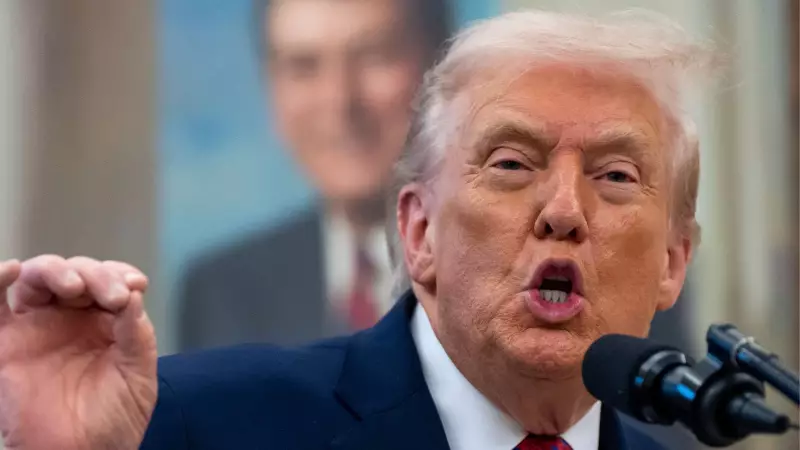
The administration of President Donald Trump has significantly widened the scope of its controversial travel restrictions, announcing the addition of 20 new countries and the Palestinian Authority to its list. This move, effective from January 1, 2026, doubles the number of nations impacted by the sweeping limits first announced in June 2025.
New Nations Face Full Ban and Partial Restrictions
In a proclamation issued on Tuesday, December 17, 2025, the Republican administration outlined the expanded policy. Five countries are now subject to a full ban on travel to the United States: Burkina Faso, Mali, Niger, South Sudan, and Syria. Furthermore, individuals travelling on documents issued by the Palestinian Authority are also fully restricted, marking the latest in a series of US limitations on Palestinian travel.
An additional 15 countries have been placed on a list facing partial restrictions. These nations are:

- Angola
- Antigua and Barbuda
- Benin
- Ivory Coast
- Dominica
- Gabon
- Gambia
- Malawi
- Mauritania
- Nigeria
- Senegal
- Tanzania
- Tonga
- Zambia
- Zimbabwe
The restrictions apply to both individuals seeking to visit the US and those wishing to emigrate there permanently.
Administration's Justification and Immediate Backlash
Officials justified the expansion by citing concerns over national security, immigration enforcement, and foreign policy. They pointed to issues such as "widespread corruption, fraudulent or unreliable civil documents, criminal records, high visa overstay rates, and a general lack of stability and government control" in the affected countries, which they claim make proper vetting difficult.
The administration suggested a review was prompted after the arrest of an Afghan national suspected in the shooting of two National Guard troops over the Thanksgiving weekend. However, the announcement has ignited immediate and fierce opposition from critics and advocacy groups.
Laurie Ball Cooper, Vice President of U.S. Legal Programs at the International Refugee Assistance Project, condemned the move, stating, "This expanded ban is not about national security but instead is another shameful attempt to demonise people simply for where they are from."
Notable Changes and International Reaction
The updated policy also brings changes for some countries from the original list. Restrictions on Laos and Sierra Leone have been upgraded, while some limits on Turkmenistan have been eased due to improvements. All other restrictions from the June 2025 proclamation remain in place.
A particularly alarming change for advocates is the removal of an exception for Afghans who qualify for the Special Immigrant Visa (SIV)—a program designed for those who risked their lives assisting the US war effort. The organization No One Left Behind expressed deep concern, arguing that these allies are among the "most rigorously vetted" individuals and that their entry contributes to US security.
Governments of the newly listed countries have begun reacting. Dominica stated it is treating the issue with "utmost seriousness and urgency," while Antigua and Barbuda's Ambassador to the US, Ronald Saunders, called the matter "quite serious" and pledged to seek clarifications from American officials.
The latest travel ban expansion solidifies a key Trump administration policy, setting the stage for continued legal and political battles over US immigration and national security strategy.