Viral Social Media Post Accuses Indian-Americans of Housing Fraud in Texas Cities
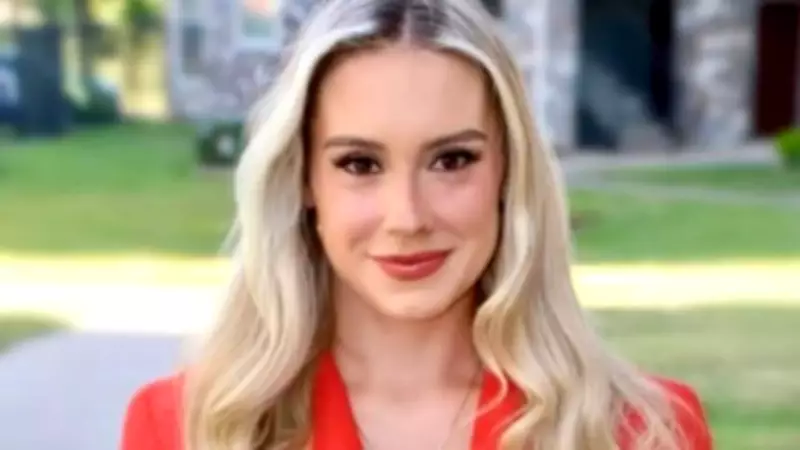
In a rapidly spreading post on the social media platform X, right-wing influencer Kaylee Campbell has ignited a heated controversy by accusing Indian-Americans of engaging in fraudulent housing practices in the Texas cities of Frisco and Plano. The post, which quickly went viral, alleges that members of the Indian community are systematically scamming local housing markets through subleasing schemes.
Allegations of Subleasing and System Manipulation
Sharing a clip from a recent Frisco City Council meeting, Campbell claimed that Indian residents are subleasing apartments exclusively to their friends, thereby blocking other individuals from accessing available housing. "Indians are scamming the housing community in Frisco & Plano by subleasing to their friends, blocking ANYONE ELSE from potentially getting housing. They are not Americans, they are scammers," Campbell wrote in her inflammatory post.
The referenced video features a woman identified as Kelly, a current resident of Aubrey with family still living in Frisco, who spoke at the council meeting. Kelly, who holds a Texas real estate license and previously worked as an assistant property manager for apartment communities in the area, alleged that Indians are manipulating housing systems to prevent people of other races or nationalities from securing apartments.

Detailed Claims of Fraudulent Practices
Kelly described what she called a pattern of abuse, stating that an Indian applicant would qualify for an apartment lease, but on move-in day, a different individual would collect the keys. "The next thing you know the original leaseholder is back in India and impossible to get a hold of," she asserted. According to her account, this practice means the actual occupant bypasses standard screening processes, creating what she labeled a "fair housing issue."
She further claimed that the scale of these activities in Frisco and Plano is so significant that it warrants police intervention. "Once an apartment gets into an Indian's hands, it's over," Kelly alleged, suggesting that units are circulated within Indian social media groups rather than being returned to property management, ensuring continuous occupancy by Indian residents.
Broader Accusations and Economic Impacts
Kelly also made sweeping allegations about demographic shifts, attributing them to steering within the Indian community for "tax benefits" at the expense of local job losses. She claimed that Americans who lose jobs to H-1B workers face eviction, while Indians can secure leases without proper application channels, contributing to homelessness among Texans.
Additionally, she accused individuals of falsifying documents during lease applications, including background checks and visas. "Part of the application process is a background check to make sure you have no felonies and are legal here," she said, warning that bypassing official channels leaves residents uncertain about their neighbors.
Claims of Crime and Discriminatory Behavior
Kelly alleged there is "a lot of crime" connected to these practices, describing an inspection of an apartment used by multiple occupants like a hotel room. She held up a document with a name, passport number, and address as evidence, accusing Indians of forging visas and using fake technology companies to hire entry-level H-1B workers and pay for multiple apartments.
She further referenced allegations of fraudulent degrees in India and accused the community of discriminatory practices and property damage. "It seems like the Indian community is coming here, living above the rules, taking jobs," she concluded, calling for an end to pandering to foreign workers and prioritizing Texans, which drew applause from some attendees.
Context of Rising Anti-Indian Sentiment
This controversy follows another viral incident involving American comedian Alex Stein, who mocked Hindus with cow urine slurs at a Plano City Council meeting while dressed in Indian attire, leading several Indian-American attendees to walk out in protest.

In recent years, the Dallas–Fort Worth metroplex has experienced substantial growth in its Indian-origin population, with estimates exceeding 150,000 residents by 2023. The region ranked fourth among U.S. metropolitan areas for high-skilled worker visa approvals, many granted to Indian nationals. Frisco, known for its strong public schools and expanding job market, has become a popular destination, with roughly one-third of its residents of Asian heritage, according to a New York Times report.
Broader Implications and Online Hostility
At recent city council meetings, some speakers have described what they termed an "Indian takeover" of Frisco—rhetoric that researchers link to a surge in online hostility. The Center for the Study of Organized Hate reported that posts on X featuring anti-Indian slurs, stereotypes, or calls to "deport Indians" generated 280 million views over a two-month period in 2025.
This spike in anti-Indian sentiment coincides with renewed political debates over immigration policy, including scrutiny of the H-1B visa program, under which a significant proportion of recipients are Indian nationals. The discourse has intensified amid high-profile political developments, such as the rise of Indian-American public figures like New York City mayor Zohran Mamdani at the national level.