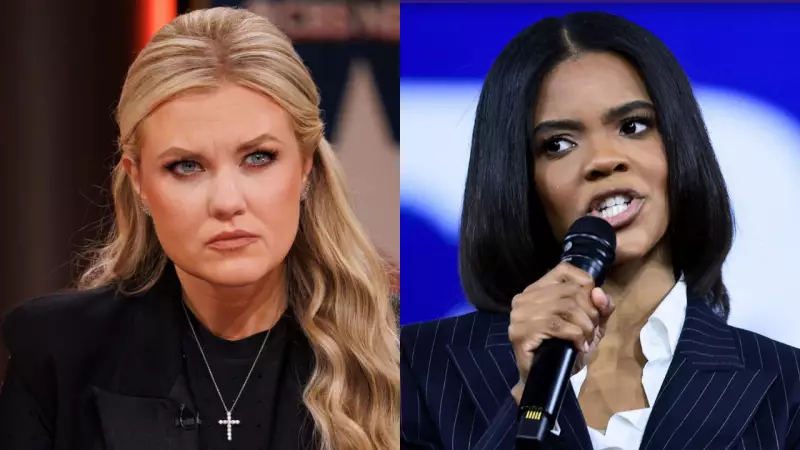
A public and deeply personal conflict has erupted online between prominent political commentator Candace Owens and Erika Kirk, the wife of conservative activist Charlie Kirk. The dispute centers on unverified claims and conspiracy theories about the shooting incident that targeted Charlie Kirk.
The Trigger: Questioning the Official Narrative
The controversy stems from the traumatic events of September 10, 2025, when Charlie Kirk was shot while delivering a speech at Utah University. An assailant fired a shot at him from within the crowd. In the aftermath, Candace Owens used her platform to cast doubt on the established account of the attack.
Owens publicly challenged what she termed the “official story,” suggesting there were too many unresolved questions. In a widely circulated video, she stated, "I do not believe the story we are being told. I think there are too many unanswered questions." She implied the potential involvement of powerful entities but provided no concrete evidence to support these insinuations. Major fact-checking agencies and media outlets have since classified Owens's assertions as baseless speculation.

Erika Kirk's Emotional Rebuttal
Erika Kirk responded with a forceful and emotional plea, directly addressing Owens. She publicly urged her to cease spreading harmful rumors. "Please stop spreading conspiracy theories. This is painful for our family, and it is not true," Erika Kirk stated. She emphasized that the false narratives were exacerbating the family's profound grief during an already devastating period.
The situation escalated when Candace Owens retorted by accusing Erika Kirk of exhibiting what she called "Meghan Markle syndrome" – a claim that Erika desired privacy while also engaging publicly. This remark sparked significant backlash from many online observers.
A Battle Over Truth, Grief, and Online Responsibility
Erika Kirk firmly rejected Owens's characterization, arguing that personal grief should not be subjected to public judgment and that tragedy should not be exploited for content. The exchange ignited a fierce debate among supporters of both women, amplifying the story's reach and intensity.
This public fight has transcended a simple online disagreement. It has evolved into a broader discussion about several critical issues:
- The spread of unverified information in the digital age.
- The ethical responsibility of public figures with large platforms.
- The real-world impact of conspiracy theories on victims and their families.
- The complex intersection of public discourse and private trauma.
In a potential move toward de-escalation, both parties have indicated a willingness to engage in a direct private conversation to resolve the matter. As of now, no results from such a meeting have been made public. The online community continues to watch closely, debating the lines between skepticism, truth, and respect for those directly affected by violence.