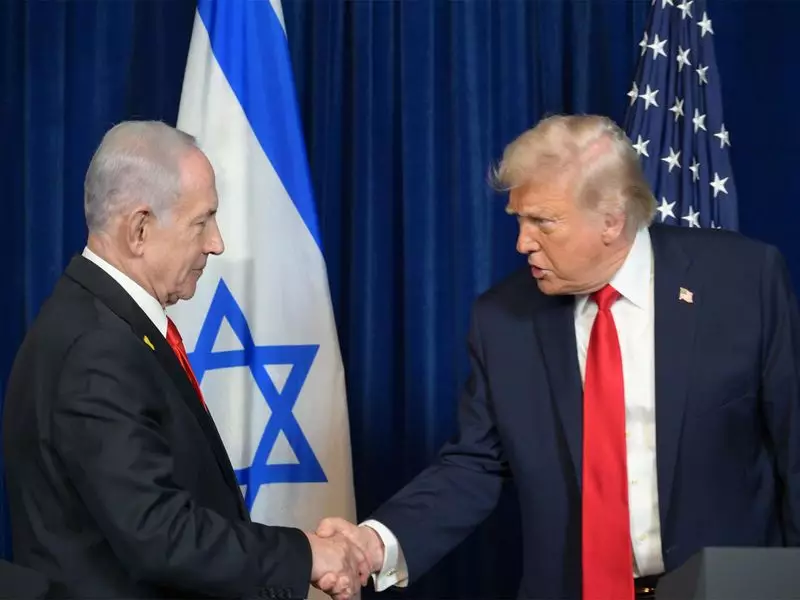
In a significant diplomatic gesture, Israeli Prime Minister Benjamin Netanyahu publicly commended former United States President Donald Trump for orchestrating what he termed a "successful" covert operation in Venezuela. The operation, which took place in late 2022, was aimed at securing the release of American hostages held in the South American nation.
Details of the Covert Venezuela Mission
The public acknowledgment came during a meeting between Netanyahu and a visiting delegation of Republican lawmakers from the US Congress. The Israeli leader revealed that he had sent a private letter to Trump congratulating him on the mission's success. While specific operational details remain classified, it is understood that the mission involved a complex extraction effort to free American citizens who were wrongfully detained.
The operation was executed in December 2022, a period marked by heightened tensions between the US and the Venezuelan government of Nicolás Maduro. Netanyahu emphasized the daring nature of the mission, framing it as a testament to decisive leadership in the face of international adversity.

A Political Gesture Amidst Domestic and Global Dynamics
Netanyahu's public praise for the former US president is seen through a multifaceted political lens. Firstly, it underscores the historically strong rapport between Netanyahu and Trump, whose administration made landmark decisions favorable to Israel, such as moving the US embassy to Jerusalem. This move is interpreted as an effort to reinforce that alliance, especially with Trump campaigning for a return to the White House.
Secondly, the statement serves a domestic purpose. By aligning himself with a successful, bold foreign operation, Netanyahu projects an image of a leader who values and understands global security imperatives. This resonates with his political base and his longstanding narrative of being a seasoned statesman on the world stage.
Implications for International Relations
The public revelation of this covert action and the subsequent congratulations bring the delicate issue of hostage diplomacy back into focus. It highlights the ongoing challenges Western nations face in dealing with regimes accused of using foreign nationals as political pawns. Netanyahu's comments implicitly call for a continued robust and uncompromising approach to such crises.
Furthermore, the episode sheds light on the intricate web of international relations, where public accolades can signal broader geopolitical alignments. The praise from the Israeli leader, a key Middle Eastern ally, bolsters Trump's foreign policy credentials while subtly critiquing more cautious approaches. It reinforces the idea that certain global problems require direct and forceful intervention, a philosophy shared by both leaders.
As the world watches the evolving political landscapes in both the United States and Israel, this acknowledgment serves as a reminder of how past collaborations continue to shape diplomatic dialogues and personal political narratives. The successful Venezuela operation stands as a point of reference for those advocating for proactive measures in international hostage situations.