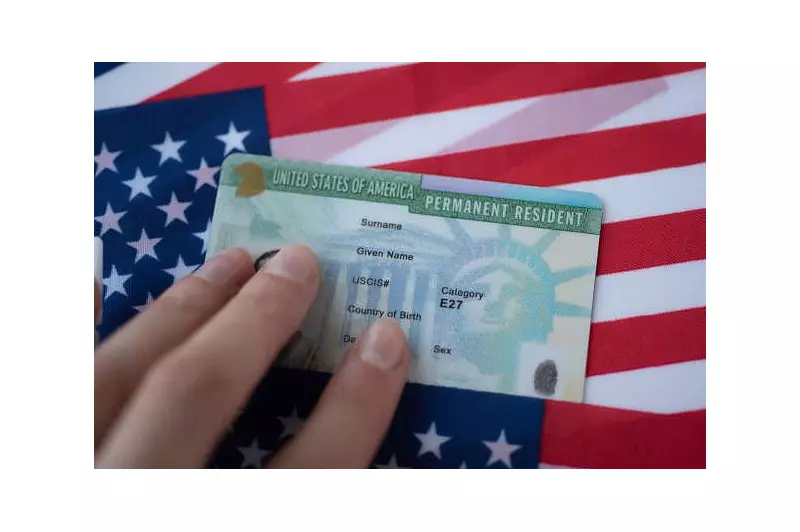
For many Indian nationals living in the United States on temporary visas, the ultimate goal is securing lawful permanent residency, commonly known as a green card. The primary legal pathway to achieve this without leaving the country is a procedure called Adjustment of Status (AOS). This process allows eligible individuals to apply for a green card while remaining in the US, avoiding the often lengthy and uncertain consular processing abroad.
Understanding the Adjustment of Status Eligibility
The Adjustment of Status process is not available to everyone. It is strictly reserved for individuals who meet specific criteria set by US Citizenship and Immigration Services (USCIS). First and foremost, you must be physically present in the United States. Crucially, you must have been inspected, admitted, or paroled into the country, meaning you entered legally with a valid visa.
Your eligibility hinges on an immediately available immigrant visa number. This typically requires an approved immigrant petition, such as a family-based petition (I-130) filed by a US citizen or permanent resident relative, or an employment-based petition (I-140) filed by a US employer. Other avenues include being a diversity visa lottery winner or qualifying under special categories for refugees or asylees.

It is vital to maintain your lawful nonimmigrant status up until the point of filing the AOS application, with few exceptions. One major exception is for immediate relatives of US citizens (spouses, unmarried children under 21, and parents). For them, the law allows filing for AOS even if their prior status has expired, provided the initial entry was legal.
The Step-by-Step Application Process: Form I-485
The cornerstone of the Adjustment of Status application is Form I-485, Application to Register Permanent Residence or Adjust Status. This is a comprehensive and detailed form that must be accompanied by a substantial package of supporting documents. Accuracy and completeness are paramount to avoid delays or a denial.
Key documents include your birth certificate, passport, proof of lawful entry and status, the approval notice for the underlying immigrant petition (I-130 or I-140), and evidence of financial support (like Form I-864, Affidavit of Support). You will also need to submit biometric information for background checks and undergo a mandatory medical examination using Form I-693 from a designated civil surgeon.
Once filed, USCIS will issue receipt notices. The next steps involve attending a biometrics appointment for fingerprinting and photography, followed by a potential interview at a local USCIS field office. During the interview, an officer will verify all information and assess the bona fides of your application, especially for marriage-based cases.
Navigating Challenges and Processing Times
The AOS journey is rarely swift. Processing times can vary dramatically, from several months to a few years, depending on your visa category, country of birth (due to per-country visa limits), and the specific USCIS service center handling your case. Indian nationals, particularly in employment-based categories, often face longer waits due to high demand and annual visa caps.
Applicants can apply for an Employment Authorization Document (EAD) using Form I-765 and advance parole (travel permission) using Form I-131 while the AOS is pending. This "combo card" is crucial for maintaining the ability to work and travel internationally without abandoning the application.
Common pitfalls include failing to respond promptly to USCIS requests for evidence (RFEs), making errors on the forms, or traveling abroad without advance parole. It is highly recommended to consult with an experienced immigration attorney to navigate the complexities, ensure all requirements are met, and develop a strategy for a successful outcome.
Successfully adjusting your status to a US permanent resident is a transformative milestone. While the process is intricate and demanding, a meticulous, well-prepared application guided by expert advice significantly increases the chances of a positive decision, paving the way for a secure future in the United States.