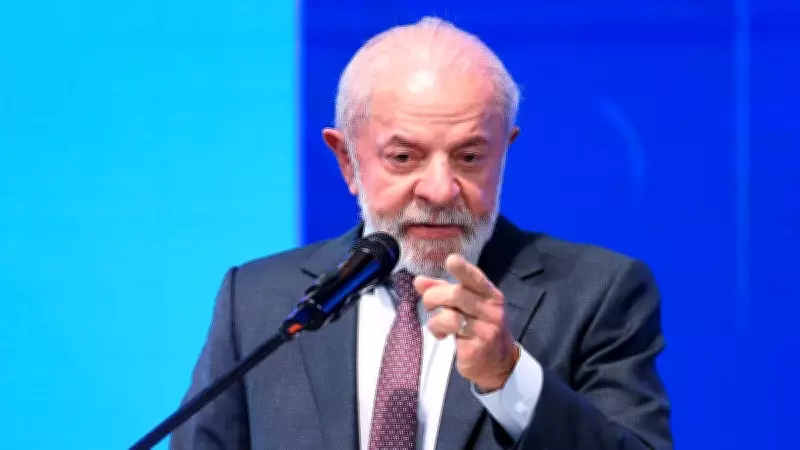
Brazilian President Luiz Inacio Lula da Silva is visiting Washington for a high-stakes meeting with former US President Donald Trump, aiming to prevent the imposition of new American trade tariffs on Brazilian goods. The encounter brings together two of the world's most prominent populist leaders, despite their sharp ideological differences. Lula, a leftist, and Trump, a right-wing conservative, have often clashed on issues ranging from environmental policy to economic governance. However, both share a populist style and a focus on national sovereignty.
Background of the Trade Dispute
The potential tariffs stem from ongoing tensions over trade imbalances and Brazil's protectionist policies in certain sectors. The Trump administration has threatened to levy duties on Brazilian steel and agricultural products, citing unfair trade practices. Lula's government has sought to negotiate a compromise, emphasizing the mutual benefits of free trade between the two largest economies in the Americas.
Key Issues on the Table
- Steel and Aluminum Tariffs: Brazil is a major exporter of steel to the US, and new tariffs could severely impact its industrial sector.
- Agricultural Exports: Brazilian soybeans, beef, and orange juice are also at risk, threatening farmers and agribusiness.
- Intellectual Property: Discussions include protecting US patents and trademarks in Brazil, a long-standing concern for American companies.
Populist Leaders, Divergent Paths
Despite their ideological chasm, both Lula and Trump have built political careers on challenging established elites. Lula rose from union activism to lead Brazil through a period of economic growth and social inclusion, while Trump, a billionaire businessman, tapped into working-class discontent in the US. Their meeting underscores the complex dynamics of global populism, where national interests often override ideological solidarity.

Reactions and Implications
Observers note that while the meeting may ease immediate tensions, long-term trade relations remain uncertain. Brazilian officials have expressed cautious optimism, while US business groups urge Trump to protect American jobs. The outcome could set a precedent for how populist governments negotiate trade disputes in an increasingly protectionist world.
The meeting is scheduled to last two days, with both leaders expected to issue a joint statement afterward. Analysts predict that a tariff pause or reduction is possible, but much depends on Lula's willingness to make concessions on market access and environmental commitments.