

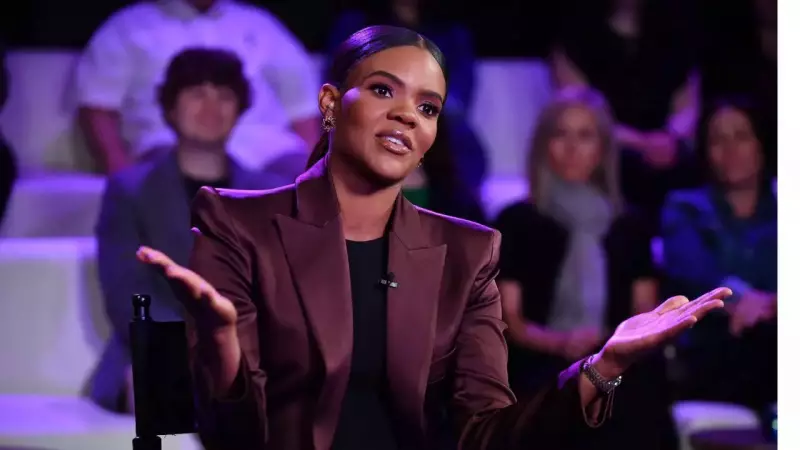
Candace Owens finds herself once more in the eye of a social media storm. The conservative commentator is facing intense scrutiny over her recent remarks concerning Turning Point USA, made in the aftermath of Charlie Kirk's death. Her attempt to explain and contextualize those statements has only fueled a fierce public debate, dividing her audience and critics alike.
Owens Defends Her Tone as a Product of Frustration
In a detailed explanation, Owens acknowledged that her language was aggressive. She specifically referenced a tweet where she called Turning Point USA a "God forsaken company" and advised people against donating to it. "I have to own that. That's aggressive. That is actually aggressive," she conceded. However, she firmly rooted her harsh tone in a state of high emotion and frustration.
Owens described feeling besieged by a lack of answers and the spread of what she perceived as lies. "In retrospect, I was very frustrated. And I don't know, I just I felt like we weren't getting any answers. And there were so many lies," she stated. She argued that she was being attacked for asking reasonable questions that the organization could have addressed. This sense of being under unjust attack, she claimed, triggered a defensive reaction.

The Core of the Controversy: Accountability vs. Justification
The public reaction to Owens's explanation has been sharply polarized. One segment of listeners views her statements as a necessary moment of accountability, where she finally owned up to the aggressive nature of her comments. For them, it was a step towards responsibility.
On the other side, critics argue that her explanation falls short of expressing genuine remorse. They accuse her of strategically reframing aggression as mere frustration, thereby avoiding a full apology. Supporters counter that her emotional response was understandable during a chaotic and tragic period, pointing to disputes over religious references and internal reactions involving figures like Alex Clark and Andrew Colvett.
A Debate That Reopens Larger Questions
This incident has transcended the specifics of Owens's comments, reopening broader societal questions. The controversy highlights the fine line between questioning institutions and escalating conflict during moments of public grief. It underscores how quickly emotionally charged commentary can spiral into lasting controversy, especially when issues of public trust, personal influence, and tragedy collide.
Owens herself pointed to a personal trait that she says contributes to such situations: "I told you, I definitely my problem in life is that I can rise to anger very quickly." She presented herself as someone who reacts defensively in the heat of the moment, not as a calculated strategist. Despite her personal framing, the online debate rages on, far from settled. The episode serves as a potent reminder of the powerful and often unpredictable impact of words spoken in anger and grief.






