A recent press conference at Brown University has ignited a fierce debate over the institution's emergency protocols, following a deadly campus shooting last week that claimed the lives of two students.
President's Explanation Fuels Controversy
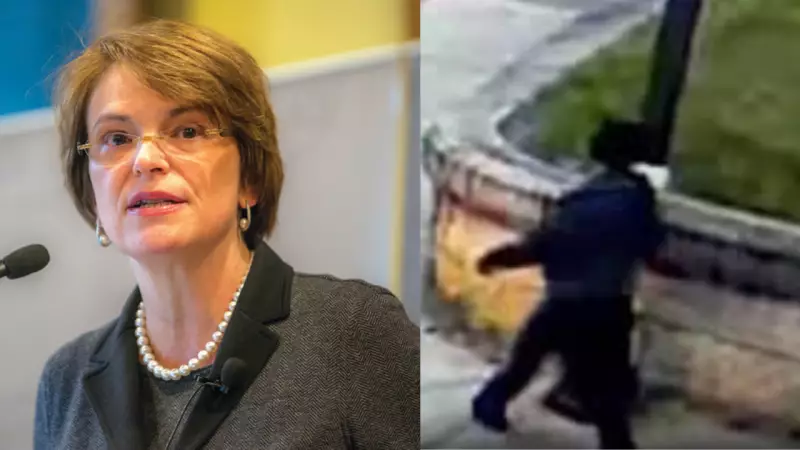
University President Christina Paxson faced tough questions about why the campus-wide emergency siren system was not activated during the December 13 shooting. The tragic incident occurred at the Barus and Holley building, where a gunman opened fire at around 4:05 pm.
Paxson defended the decision, stating that sounding the siren during an active shooter situation would be counterproductive. "That's not a system we would ever use in the case of an active shooter," she told reporters. She argued that the loud alarm could cause panic and potentially drive people toward the danger inside the building, rather than to safety.

This explanation, however, clashed directly with information previously listed on the university's own website, which indicated the siren would be used for such emergencies. When confronted with this discrepancy, Paxson responded, "It depends on the circumstances."
Timeline of Alerts and Investigation Challenges
Instead of the siren, the university relied on text and email alerts. The first electronic notification was sent to approximately 20,000 people at 4:22 pm—nearly 17 minutes after the first shots were fired. The shooting resulted in two students dead and nine injured.
Further complicating the investigation, the campus's extensive surveillance network failed to provide clear evidence. Despite having over 800 cameras, investigators confirmed there is no usable footage showing the shooter's face. The older Barus and Holley building had limited CCTV coverage.
The FBI is now offering a reward of up to $50,000 for information leading to the identification, arrest, and conviction of the person responsible. The suspect remains at large, with no known motive for targeting the two victims.
Victims Identified, Community Seeks Answers
The victims have been identified as 19-year-old Ella Cook, a sophomore and vice president of the College Republicans, and 18-year-old Mukhammad Aziz Umurzokov, a freshman from Uzbekistan studying biochemistry and neuroscience. Both were inside the building when the attack occurred.
The university community and parents are now demanding clearer and more consistent safety guidelines. The conflict between the published protocol and the president's recent statements has sown confusion, raising critical questions about preparedness and transparent communication during life-threatening crises on campus.