From Trusted US Ally to Thanksgiving Eve Shooter
The shocking transformation of Rahmatullah Lakanwal from a trusted American contractor in Afghanistan to the perpetrator of a violent attack near the White House has sent seismic waves through the US immigration system. Born in Kabul in 1996, Lakanwal's complicated American journey reveals a man whose initial cooperation with US forces gradually morphed into deep-seated anger against perceived injustices.
A Promising Start Derailed by Bureaucracy
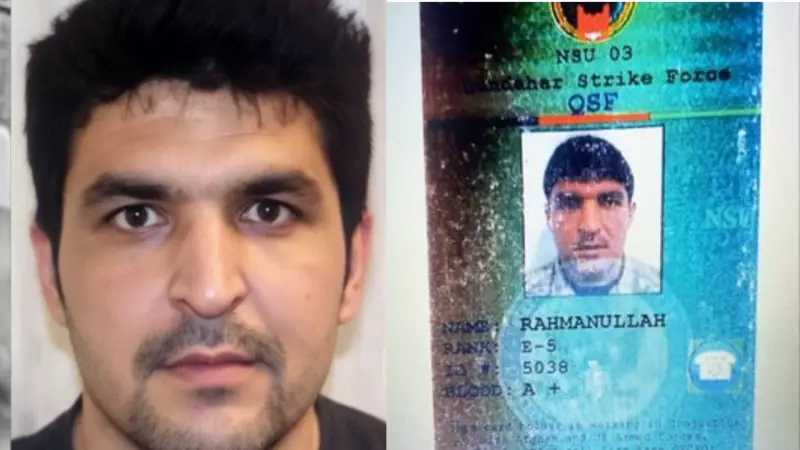
During the final years of the Afghan war, Lakanwal established himself as a reliable partner to American forces. He served as a logistics coordinator for a US contractor, working closely with American Special Forces units on supply missions in the volatile Helmand Province. His collaboration extended to working with the CIA in Kandahar, as confirmed by CIA Director John Ratcliffe.
Colleagues remembered him as English-fluent and dependable, qualities that earned him a spot in the Special Immigrant Visa (SIV) program designed for Afghans who assisted US missions. However, his application faced significant bureaucratic delays under the Trump administration in 2021, leaving his immigration status in uncertain territory.

The chaotic US withdrawal from Afghanistan in August 2021 changed everything. Lakanwal was among the 76,000 Afghans airlifted to safety in September 2021 through Operation Allies Welcome, a Biden-era humanitarian parole initiative that accomplished this massive resettlement in just 17 frantic days.
American Dream Turns Sour
Upon arrival in the United States, Lakanwal found sponsorship through a faith-based organization connected to the Einstein Institute for Refugee Integration in Seattle, Washington. He initially settled there, taking on odd jobs as a warehouse clerk and delivery driver while navigating the complex immigration backlog.
His situation grew increasingly precarious when his humanitarian parole status expired in mid-2024, rendering him undocumented and ineligible for work authorization. Facing dwindling options and fearing Taliban reprisals for his previous work with American forces, Lakanwal filed for asylum in December 2024.
In a surprising turn of events, after undergoing rigorous vetting that included biometric checks, interviews, and interagency reviews, the US Citizenship and Immigration Services (USCIS) approved his asylum claim in April 2025. This approval came during the second Trump administration, granting him protected status and a work permit.
The Unraveling and Aftermath
Despite having no prior criminal record in the United States, neighbors in his modest Alexandria, Virginia apartment complex noted that Lakanwal had become increasingly withdrawn during the summer months. His now-deleted social media accounts revealed a disturbing shift in sentiment, featuring anti-Western posts and shares of Taliban propaganda, along with critiques of US drone strikes.
Investigators are currently examining whether he maintained contacts with overseas extremist groups, though as of Thursday, no such connections have been established.
The repercussions of the shooting have been immediate and far-reaching. Within hours of the incident, USCIS announced an indefinite suspension of all Afghan asylum and refugee processing, citing national security concerns. This freeze affects thousands of pending applications, leaving families in legal limbo and drawing sharp criticism from human rights advocates.
The decision echoes Trump's first-term travel bans and fulfills campaign promises for stricter vetting procedures. However, it risks alienating the broader Afghan diaspora, most of whom remain strongly anti-Taliban, and could be perceived as a betrayal by many US veterans who fought alongside Afghan allies.
Veterans Caught in the Crossfire
Complicating the narrative is the crucial role played by American veterans in advocating for Afghan allies like Lakanwal. Organizations including No One Left Behind and Veterans for Afghan Allies lobbied extensively for SIV expansions under both Trump and Biden administrations, vouching for interpreters and contractors who faced Taliban death squads for supporting American troops.

Lakanwal's own file contained glowing endorsements from four US Marines he assisted in 2019, who praised his courage under fire. Veterans' groups mobilized extensively after the withdrawal, raising funds for resettlement and pressuring Congress for faster processing.
The conflicting emotions surfaced dramatically in a social media post by another veteran after revelations emerged about Lakanwal's CIA connections. The post emphasized that he was not just any refugee but a vetted, badged member of the CIA-backed Kandahar Strike Force who had operated alongside US special forces.
This incident threatens to fracture the compact between American veterans and the Afghan allies they fought to protect, raising difficult questions about the vetting process and the assumptions underlying the evacuation of thousands during the fall of Kabul.