UN Diplomat Resigns Over Alleged Nuclear Weapon Preparations Targeting Iran
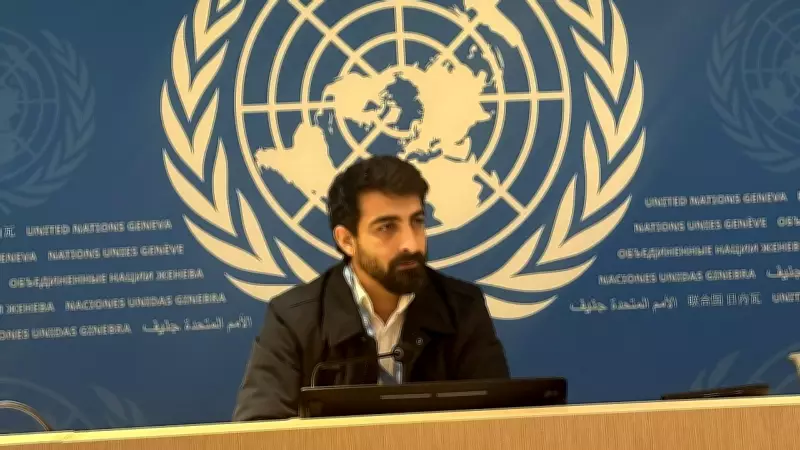
In a dramatic development that has sent shockwaves through international diplomatic circles, Mohamad Safa, a seasoned diplomat and the long-standing United Nations representative for the Patriotic Vision Association (PVA), has resigned from his position. His resignation comes with a grave accusation: that the UN is actively preparing for the potential use of nuclear weapons against Iran.
A Career Sacrificed to Sound the Alarm
Safa, who served as the PVA's principal representative at the United Nations for nearly twelve years, announced his resignation publicly on the social media platform X this past Sunday. In his statement, he declared he could no longer continue in his role "at a time when the UN is preparing for possible nuclear weapon use in Iran." This bold claim represents a significant breach from a figure deeply embedded in UN processes.
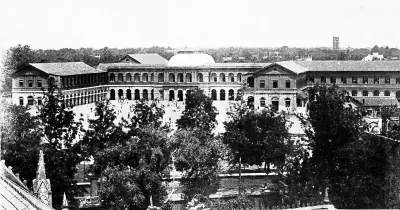
To underscore the human stakes, Safa shared a photograph of Tehran, Iran's capital. His accompanying message was a direct and emotional appeal. "This is a picture of Tehran. For you uneducated, untraveled, never-served, warhawks licking your chops at the thought of bombing it. It's not some low population desert. There are families, children, family pets. Regular working class people with dreams. You're sick to want war," he wrote, painting a vivid picture of the city's nearly 10 million inhabitants. He challenged critics to imagine nuclear attacks on major Western capitals like Washington, Berlin, Paris, or London to convey the scale of potential devastation.

Leaking Information to Prevent a 'Nuclear Winter'
Safa framed his resignation as a necessary act of whistleblowing. "I gave up my diplomatic career to leak this information. I suspended my duties so as not to be part of or a witness to this crime against humanity, in an attempt to prevent a nuclear winter before it is too late," he stated. He emphasized that the threat is not abstract but an immediate and severe danger requiring urgent global mobilization.
His call to action was unequivocal: "The possibility of the use of nuclear weapons must be taken very seriously. It's dangerous. Act now. Spread this message worldwide. Take the streets. Protest for our humanity and future. Only the people can stop it. History will remember us." Safa warned that the escalating situation in the Middle East is being dangerously underestimated and that the broader implications—including widespread destruction and a catastrophic "nuclear winter" affecting global climate—demand immediate attention to avert disaster.
Broader Concerns About UN Integrity and Military Context
This is not the first time Safa has voiced criticism of the institution he served. In a previous social media post, he expressed deep concerns about the United Nations itself, alleging that certain senior figures within the organization are "serving a powerful lobby and not the UN." As part of his resignation, he confirmed he would step away from all UN committees and working groups with which he was associated, a complete severance from his diplomatic life.
His resignation coincides with troubling geopolitical reports. Analysts note a widening gap between operational readiness and public messaging from Washington. There are credible reports that the United States is preparing for a possible expansion of military operations in Iran, with plans reportedly ranging from limited, targeted ground raids to a broader deployment of troops. While the White House publicly maintains that no final decision has been made, officials have been sending mixed signals, simultaneously advocating for restraint while acknowledging the possibility of escalation. This context adds significant weight to Safa's alarming allegations about UN preparations, suggesting a coordinated, behind-the-scenes move towards a conflict of unimaginable scale.

The international community now faces urgent questions. Safa's resignation acts as a stark warning siren, forcing a re-evaluation of diplomatic postures and military preparedness in one of the world's most volatile regions. The call for public protest and global awareness underscores a belief that traditional diplomatic channels may be failing, placing the onus on civil society to prevent a potential humanitarian and environmental catastrophe.