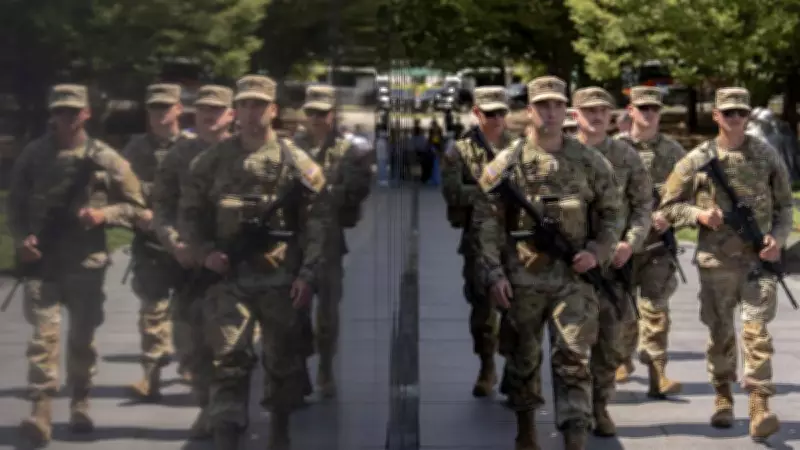
The United States has announced the withdrawal of 5,000 troops from Germany, a move that underscores President Donald Trump's continued criticism of NATO as a 'paper tiger.' The decision, confirmed by senior defense officials, is part of a broader reassessment of American military posture in Europe.
Details of the Withdrawal
According to the Pentagon, the troop reduction will bring the total number of U.S. forces in Germany down to approximately 25,000. The redeployment is expected to be completed within months, with some troops returning to the United States and others being repositioned to other NATO allies, including Belgium and Italy. Officials emphasized that the move is not a complete pullout but a strategic shift.
Trump's Stance on NATO
President Trump has long criticized NATO allies for failing to meet the alliance's defense spending target of 2% of GDP. In a statement, he reiterated his view that NATO is a 'paper tiger' that relies too heavily on U.S. contributions. 'We are protecting countries that don't pay their fair share,' Trump said. 'This withdrawal sends a clear message.'

The announcement comes amid heightened tensions between Washington and Berlin over trade and energy policies. Germany, Europe's largest economy, currently spends about 1.4% of its GDP on defense, below the NATO benchmark.
Reactions from Allies
NATO officials expressed disappointment but sought to downplay the impact on collective defense. 'The alliance remains strong, and we will adapt to this decision,' a NATO spokesperson said. German Foreign Minister Heiko Maas called the move 'regrettable' but affirmed Germany's commitment to NATO.
Some European diplomats worry that the withdrawal could embolden Russia, though U.S. officials insist that the remaining forces, along with rapid reinforcement capabilities, are sufficient to deter aggression.
Strategic Implications
Analysts see this as a significant shift in U.S. foreign policy, reflecting Trump's 'America First' doctrine. The withdrawal could strain transatlantic relations and prompt European nations to boost their own defense spending. However, critics argue that it undermines NATO solidarity at a time of global instability.
The decision also follows the U.S. military's ongoing transformation toward a more agile, globally deployable force. Pentagon officials stressed that the changes are driven by strategic necessity, not politics.
As the withdrawal proceeds, the focus will be on how European allies respond and whether they can fill the gap left by U.S. forces. The move marks another chapter in the evolving dynamics of the NATO alliance under the Trump administration.