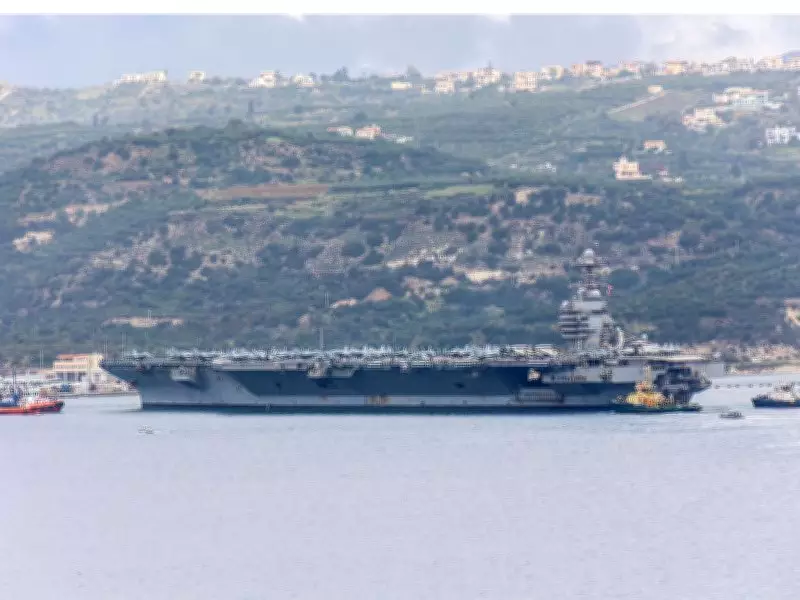
The United States aircraft carrier USS Dwight D. Eisenhower is likely to depart from the Middle East in the coming weeks, according to a report, as nuclear negotiations with Iran remain stagnant. The move would mark a significant shift in the US military presence in the region, which has been bolstered since the outbreak of the Israel-Hamas conflict in October.
Background of the Deployment
The USS Dwight D. Eisenhower and its accompanying strike group were deployed to the Middle East in November 2023 to deter any potential escalation of the conflict between Israel and Hamas. The carrier's presence was intended to send a clear message to Iran and its proxies, including Hezbollah and the Houthis, against widening the war. However, with the talks between Washington and Tehran over the nuclear program showing no progress, the US Navy is reassessing its force posture.
Stalled Iran Talks
Indirect negotiations between the United States and Iran, mediated by Oman and Qatar, have failed to yield any breakthrough. The discussions aim to revive the 2015 nuclear deal, formally known as the Joint Comprehensive Plan of Action (JCPOA), which the US withdrew from in 2018 under former President Donald Trump. Iran has since advanced its nuclear enrichment capabilities, raising concerns among Western nations. The stalemate has led to a reevaluation of the need for a carrier strike group in the region.

Impact on Regional Security
The departure of the USS Dwight D. Eisenhower could create a power vacuum that might be exploited by Iran or its allies. However, US officials have stated that other naval assets, including destroyers and amphibious ships, will remain in the area to maintain deterrence. The US Central Command (CENTCOM) has not officially confirmed the timeline for the carrier's exit, but sources indicate that it could happen within weeks.
Analysts suggest that the decision reflects a strategic shift in US priorities, with increasing focus on the Indo-Pacific region. The US Navy operates on a rotational deployment model, and the carrier's departure may be part of a routine rotation rather than a political signal. Nevertheless, the timing is notable given the fragile state of the Israel-Hamas ceasefire and ongoing Houthi attacks on Red Sea shipping.
Reactions and Next Steps
Iranian officials have welcomed the potential withdrawal, viewing it as a sign of reduced US military pressure. Meanwhile, Israel has expressed concerns about the security implications. The US State Department has reiterated its commitment to preventing a broader regional conflict and emphasized that diplomatic efforts with Iran will continue through other channels. The Biden administration faces a delicate balancing act between maintaining deterrence and avoiding further entanglement in Middle Eastern conflicts.