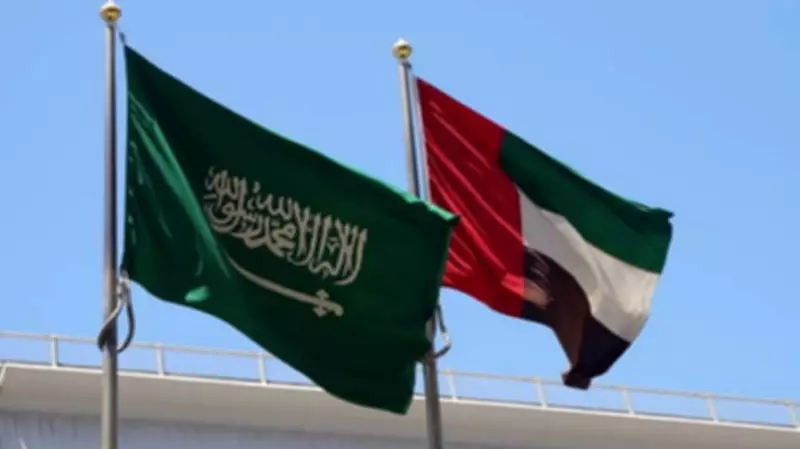
A decade ago, Saudi Arabia’s de facto leader, Crown Prince Mohammed bin Salman, and the UAE leader, Sheikh Mohammed bin Zayed Al Nahyan, were viewed as ideologically aligned allies. However, recent developments indicate a growing rift between the two Gulf powerhouses, driven by clashes over oil economics, diverging strategies in Yemen, and competing visions in Sudan.
Clash Over Oil and Economics
The most immediate source of tension is oil policy. Saudi Arabia has pushed for production cuts to maintain high prices, while the UAE has argued for increasing output to capture market share. This disagreement was evident in recent OPEC+ meetings, where the UAE resisted Saudi-led quotas. The economic rivalry extends to diversification efforts, with both nations vying to become regional hubs for trade, finance, and tourism.
From Alliance to Confrontation in Yemen
In Yemen, the two countries were once united in a military coalition against Houthi rebels. But their interests have diverged. Saudi Arabia seeks a negotiated exit to avoid further entanglement, while the UAE has prioritized securing its own interests, including control of southern ports and backing of the Southern Transitional Council. This has led to clashes between their respective proxies, undermining the coalition's unity.

Competing Visions in Sudan
Sudan has become another arena for rivalry. The UAE has backed the Rapid Support Forces (RSF) paramilitary group, while Saudi Arabia has maintained ties with the Sudanese army. Their competing interests have complicated efforts to resolve the conflict, with each side supporting different factions. This proxy dimension reflects broader geopolitical competition in the Horn of Africa.
Friction, But No Sign of Severing Ties
Despite these tensions, experts note that neither country is likely to sever diplomatic relations. Both share strategic interests in regional stability, countering Iran, and maintaining a united Gulf front. The rift is more about tactical differences than a fundamental split. However, the growing friction could reshape alliances in the Middle East and beyond.
Published 05 May 2026, 14:06 IST