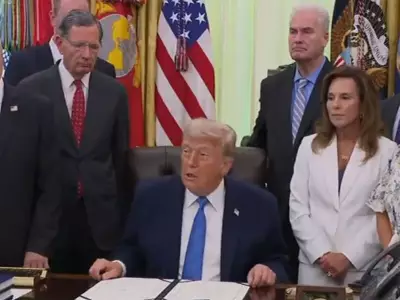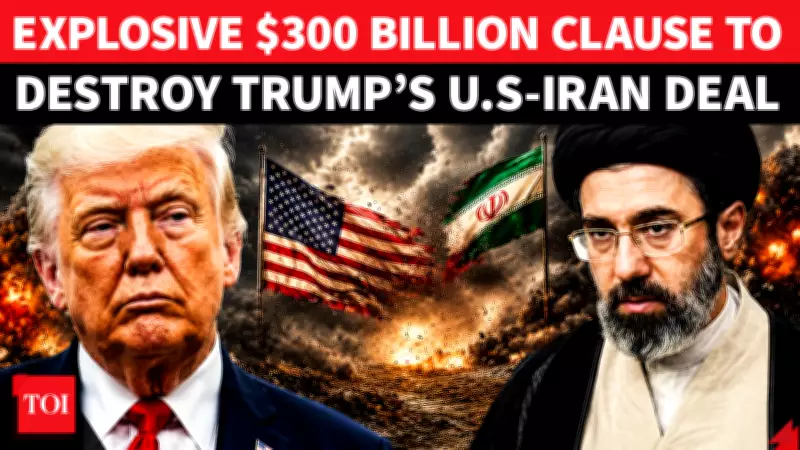
The US-Iran peace deal is under intense scrutiny over a controversial $300 billion reconstruction package that could determine the future of relations between Washington and Tehran. Former President Donald Trump has hailed the proposed agreement as a diplomatic breakthrough, but competing narratives from both capitals are raising serious questions about sanctions relief, frozen assets, reconstruction guarantees, and the long-term stability of the Middle East.
The $300 Billion Question
At the heart of the dispute lies a fundamental disagreement: is the package an investment program for Iran's rebuilding, or is it indirect compensation for war damage? Critics argue that the ambiguity could unravel the fragile ceasefire if expectations are not met. The deal, which Trump claims as a major achievement, faces growing political pressure in both countries.
Sanctions Relief and Frozen Assets
One of the key sticking points is the status of Iranian assets frozen abroad and the extent of sanctions relief. Tehran insists that the reconstruction package must be separate from any asset release, while Washington views it as part of a broader economic normalization. Analysts warn that unmet expectations could quickly reignite conflict, especially with regional flashpoints still active.

Regional Stability at Risk
The deal's success hinges on whether both sides can agree on the purpose of the $300 billion. If perceived as compensation, it could embolden hardliners in Iran and undermine Trump's narrative of a diplomatic victory. Conversely, if seen as an investment, it may fail to address the deep-seated grievances that fueled decades of hostility.
As political pressure mounts, the fragile ceasefire remains vulnerable. Watch this report for a deep dive into the biggest weak link that could restart the conflict and reshape the Middle East.