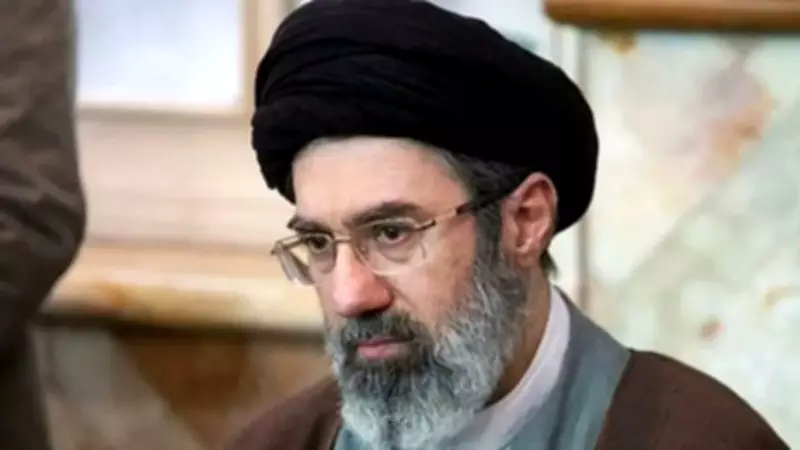
Mojtaba Khamenei: The Man Who Could Lead Iran's Future
In the complex political landscape of Iran, a critical question looms large: who will succeed the current Supreme Leader, Ayatollah Ali Khamenei? The spotlight has increasingly turned to his son, Mojtaba Khamenei, who is widely regarded as the presumed next supreme leader. This potential transition is not merely about a change in leadership; it represents a defining moment for the Islamic Republic, nearly half a century after the 1979 revolution that vowed to end dynastic rule. At stake is the very essence of what Iran has become and where it is headed under new guidance.
Who is Mojtaba Khamenei?
Mojtaba Khamenei, born in 1969, is the second son of Ayatollah Ali Khamenei. He has maintained a relatively low public profile compared to other political figures in Iran, but his influence within the country's power structures is substantial. Educated in Islamic theology, he has been deeply involved in religious and political affairs, often operating behind the scenes. His roles have included advising his father and engaging with key institutions such as the Islamic Revolutionary Guard Corps (IRGC) and the clerical establishment. This background positions him as a formidable candidate, steeped in the ideologies that have shaped Iran since the revolution.
The Stakes of Leadership Transition
The question of whether Mojtaba Khamenei would bring change or more brutal suppression is central to Iran's future. The Islamic Republic, established in 1979, promised a break from monarchical dynasties, yet the potential ascension of a leader's son raises concerns about a return to hereditary power. This transition comes at a time when Iran faces internal pressures, including economic challenges, social unrest, and demands for greater freedoms. The choice of leader will significantly impact domestic policies, human rights, and Iran's stance on international issues.

- Continuity vs. Reform: Would he uphold his father's conservative policies, or introduce moderate changes to address public discontent?
- Relations with the West: How might his leadership affect Iran's diplomatic engagements, particularly in West Asia and beyond?
- Internal Security: Given past instances of suppression, would he adopt a more repressive approach to maintain control?
What the Islamic Republic Has Become
Nearly 50 years after the revolution, Iran has evolved into a theocratic state with significant geopolitical influence. The role of the supreme leader is paramount, wielding ultimate authority over military, judicial, and political matters. Under Ayatollah Ali Khamenei, Iran has experienced periods of isolation and confrontation, as well as moments of negotiation, such as the nuclear deal. Mojtaba Khamenei's leadership could either reinforce this trajectory or steer the country in a new direction, depending on his vision and the pressures he faces from within the establishment.
As the world watches, the decision on Iran's next supreme leader will reverberate beyond its borders, affecting regional stability and global politics. Whether Mojtaba Khamenei emerges as a figure of change or continuity remains to be seen, but his potential rise underscores the enduring complexities of the Islamic Republic's governance.