Nishant Kumar Poised to Enter Politics as Nitish Kumar Prepares for Rajya Sabha Move
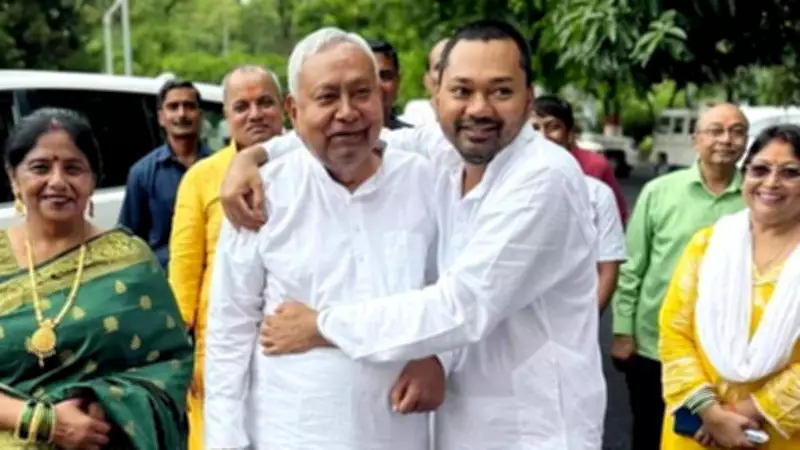
In a development that signals a substantial shift in Bihar's political dynamics, veteran leader and current Chief Minister Nitish Kumar is preparing to transition to the Rajya Sabha, effectively concluding his extensive tenure as the state's chief executive. This strategic move has created a clear pathway for his son, Nishant Kumar, to formally embark on a political career by joining the Janata Dal (United) party.
Unanimous Backing During High-Level Patna Meeting
The decision was solidified during a crucial high-level gathering held at the Chief Minister's official residence in Patna. During this meeting, senior party leaders from across the state expressed unanimous support for Nishant Kumar's entry into the political organization. This collective endorsement underscores the party's readiness to embrace a new generation of leadership while acknowledging the enduring influence of the Kumar political legacy.
Grassroots Engagement and Statewide Travel Planned
Following his formal induction into the JD(U), Nishant Kumar is expected to undertake an extensive travel schedule across Bihar, engaging directly with party workers at the grassroots level. This hands-on approach is designed to build connections, understand local issues, and establish his presence within the party's organizational structure. Such direct engagement is considered essential for any political newcomer seeking to build a sustainable support base in Bihar's complex political landscape.
Generational Transition Sparks Mixed Reactions
Political analysts are interpreting this development as a deliberate generational transition within the JD(U), potentially redefining the party's leadership framework for the coming years. The move represents a calculated effort to blend established political experience with fresh perspectives, aiming to maintain the party's relevance in an evolving political environment.
However, this sudden shift has not been without controversy. Sections of party workers have expressed discontent, organizing protests and voicing concerns that Nitish Kumar should continue to lead Bihar directly rather than transitioning to national politics. These dissenting voices highlight the challenges inherent in managing political succession, particularly when it involves prominent political families.
Political Activity Intensifies in Bihar's Capital
As speculation mounts and political activity intensifies in Patna, attention is increasingly focused on Nishant Kumar's political capabilities and vision. The central question emerging from this transition is whether he can successfully transform a powerful political inheritance into an independent leadership journey that resonates with both party loyalists and the broader electorate.
This political maneuver occurs against the backdrop of Bihar's historically competitive political environment, where leadership changes often trigger realignments and strategic recalculations among various political factions. The coming months will likely reveal how this transition impacts the JD(U)'s organizational cohesion and electoral prospects in future state and national contests.