Maharashtra Budget Sharpens Focus on Clean Mobility with Enhanced Vehicle Scrapping Incentives
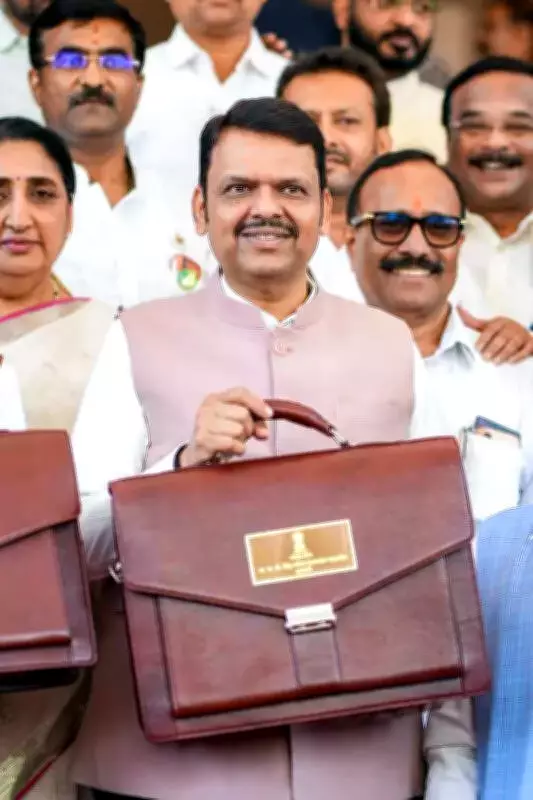
In a significant push towards cleaner transportation, the Maharashtra government has unveiled a budget proposal that offers substantially larger tax breaks to individuals who scrap their old vehicles and replace them with new ones. Deputy Chief Minister Devendra Fadnavis emphasized that this strategic move is designed to systematically phase out less fuel-efficient and more polluting vehicles, thereby contributing to improved air quality across the state.
Differential Tax Concessions to Accelerate Removal of Older Vehicles
The budget outlines a tiered incentive structure to encourage faster adoption of newer, cleaner vehicles. Under the new proposal, buyers who scrap an old vehicle compliant with BS-IV or higher emission norms and purchase a new vehicle will receive a 16% concession in motor vehicle tax. This incentive increases significantly to 30% for those scrapping vehicles with BS-III or lower emission norms before acquiring a new vehicle. This differential benefit is strategically crafted to prioritize the removal of the oldest and most polluting vehicles from Maharashtra's roads.
Stricter Environmental Tax on Aging Private Vehicles
Simultaneously, the budget adopts a firmer stance on aging private vehicles by proposing to double the environmental tax on old non-transport (private) vehicles with BS-IV and below emission norms. This increase is justified by their higher contribution to air pollution. The state already imposes a green tax on vehicles older than 15 years, and officials have indicated that enforcement will be tightened, including rigorous checks to ensure payment of the green tax and possession of valid fitness certificates for older vehicles.

The budget specifies the proposed increases: from Rs 2,000 to Rs 4,000 on two-wheelers, from Rs 3,000 to Rs 6,000 on light motor vehicles (petrol), and from Rs 3,500 to Rs 7,000 on light motor vehicles (diesel).
Additional Relief Measures and Policy Context
Another relief measure announced in the budget is a cap on tax under the Motor Vehicles Act for crane-mounted vehicles, limiting it to Rs 30 lakh. These state-level initiatives build upon the vehicle scrappage policy introduced by the Central Government in April 2022, following its announcement in the Union Budget 2021-22. The Ministry of Road Transport and Highways later notified amendments to the scrapping facility rules in September 2022.
Maharashtra's cabinet approved the policy in October 2022, and in January 2023, the transport department made scrapping compulsory for all government vehicles over 15 years old. The policy was subsequently extended to cover both government and private vehicles.
Eligibility Criteria and Expected Benefits
The policy framework establishes clear eligibility criteria:
- Private cars older than 20 years are eligible for scrapping.
- Government vehicles older than 15 years must be scrapped.
- For private owners, scrapping remains voluntary.
- Autorickshaws are to be scrapped after 15 years.
- Kaali-peeli taxis are to be scrapped after 20 years.
Officials project that the policy will yield multiple benefits, including reduced traffic congestion, accelerated removal of abandoned "khatara" vehicles, and significant public health and environmental gains through lower emissions.