Iran Issues Stark Warning on Strait of Hormuz Security Amid US Tensions
In a significant development that underscores the escalating geopolitical friction in the Middle East, Iran's Vice President Mohammad Reza Aref has declared that the security of the Strait of Hormuz is not free. This statement comes amid rising tensions between Iran and the United States, which have been exacerbated by ongoing regional conflicts and disputes over oil shipments through this critical maritime chokepoint.
Vice President Aref's Assertive Remarks
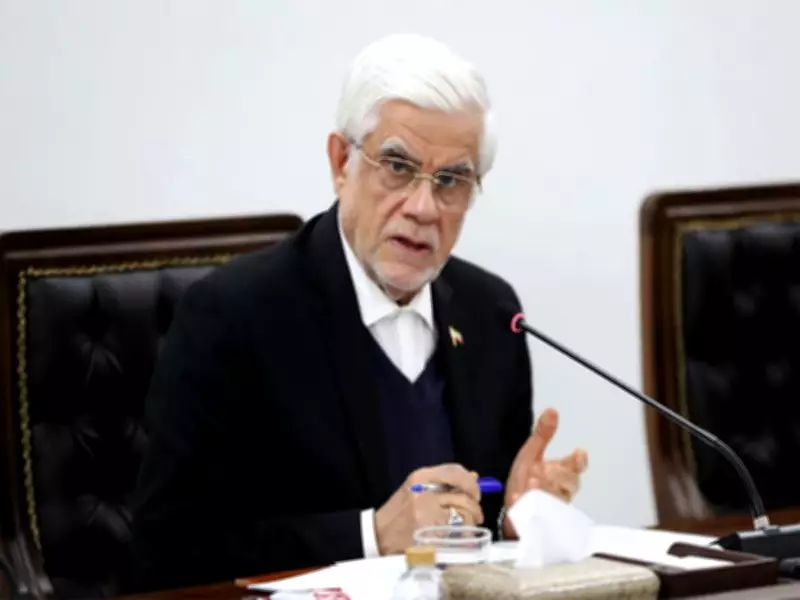
Vice President Mohammad Reza Aref made these remarks during a recent address, emphasizing that Iran expects compensation or reciprocal measures for ensuring the security of the Strait of Hormuz. He highlighted that the strait, which is a vital passage for global oil trade, requires substantial resources and efforts to maintain stability, and Iran should not bear this burden alone without acknowledgment or support from the international community.
"The security of the Strait of Hormuz is not free," Aref stated, pointing out that Iran has historically played a key role in safeguarding this strategic waterway. His comments reflect Tehran's growing frustration with what it perceives as unfair expectations and pressure from Western nations, particularly the United States, regarding regional security responsibilities.

Background of Rising US-Iran Tensions
The timing of Aref's warning is crucial, as it follows a series of incidents that have heightened tensions between Iran and the US. Key factors contributing to this strained relationship include:
- Oil Shipment Disputes: The Strait of Hormuz is a critical conduit for approximately one-fifth of the world's oil shipments, making it a focal point in US-Iran relations. Recent US sanctions on Iranian oil exports have led to confrontations and threats over maritime security.
- Regional Conflicts: Ongoing proxy wars and military engagements in the Middle East, such as those in Yemen and Syria, have further complicated the bilateral dynamic, with both nations supporting opposing factions.
- Diplomatic Standoffs: Efforts to revive the Iran nuclear deal have stalled, leading to increased diplomatic friction and mutual accusations of destabilizing activities.
These elements have created a volatile environment where statements like Aref's carry significant weight, potentially signaling Iran's readiness to leverage its control over the strait as a bargaining chip in international negotiations.
Implications for Global Trade and Security
The Strait of Hormuz's security is paramount for global energy markets, and any disruption could have far-reaching consequences. Aref's remarks suggest that Iran may seek to assert more direct influence or demand concessions in exchange for continued stability. This could involve:
- Economic Demands: Iran might push for eased sanctions or financial aid as compensation for its security role.
- Political Leverage: Tehran could use the strait's security as a tool in broader diplomatic talks, including nuclear negotiations.
- Military Posturing: Increased naval patrols or exercises in the area, potentially raising the risk of accidental clashes with US or allied forces.
Experts warn that such a stance could escalate tensions further, risking miscalculations that might lead to open conflict. The international community, including major oil importers, is closely monitoring the situation, as any instability in the Strait of Hormuz could trigger oil price spikes and supply chain disruptions.
Looking Ahead: Potential Scenarios
As US-Iran tensions continue to simmer, the future of Strait of Hormuz security remains uncertain. Possible outcomes include:

- Negotiated Agreements: Diplomatic efforts might lead to a new framework for sharing security responsibilities, possibly involving regional partners or international organizations.
- Increased Militarization: Both sides could ramp up military presence in the area, heightening the risk of incidents that could spiral into broader conflicts.
- Economic Impacts: Prolonged tensions might affect global trade routes, prompting countries to seek alternative energy sources or shipping lanes.
Vice President Aref's statement serves as a clear reminder of Iran's strategic importance in the Middle East and its willingness to challenge US dominance in regional security matters. As the situation evolves, stakeholders worldwide will need to navigate these complexities carefully to prevent further escalation.