

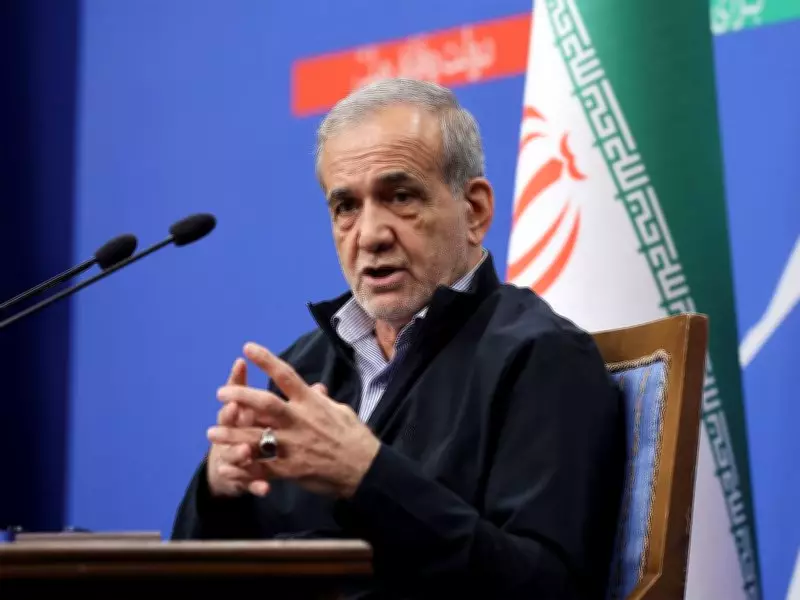
Iran Dismisses Pakistan's Peace Brokerage Offer Amid Ongoing Military Operations
In a significant diplomatic development, Iran has explicitly rejected Pakistan's attempt to position itself as a peace mediator in the volatile regional landscape. This refusal comes as Iran continues its aggressive military posture, marked by the launch of its 83rd wave of counter-strikes against what it describes as hostile elements. The move underscores the deepening complexities in Middle Eastern geopolitics, with Iran asserting its autonomy in conflict resolution while maintaining a robust defense strategy.
Pakistan's Peace Initiative Meets Firm Resistance
Pakistan, aiming to bolster its role as a stabilizing force in the region, had extended an offer to facilitate peace talks between Iran and other involved parties. However, Iranian officials have categorically dismissed this proposal, citing a preference for direct negotiations and a skepticism towards external mediation. This rejection highlights the strained relations and mistrust that often characterize interactions between the two neighboring nations, despite shared cultural and historical ties.
Iran's Sustained Military Campaign: The 83rd Wave of Counter-Strikes
Concurrently, Iran has intensified its military operations, launching what it terms the 83rd wave of counter-strikes. These actions are reportedly targeted at insurgent groups and other perceived threats along its borders, reflecting Iran's commitment to a proactive defense doctrine. The ongoing strikes signal a persistent state of alert and readiness, with Iranian authorities emphasizing the necessity of these measures to safeguard national security and territorial integrity.

Regional Implications and Global Concerns
The dual developments—Iran's rejection of peace mediation and its continued military engagements—have far-reaching implications for regional stability. Analysts warn that this could exacerbate existing conflicts, hinder diplomatic efforts, and potentially draw in other global powers. The situation raises alarms about the escalation of violence and the challenges in achieving peaceful resolutions in a region already fraught with tensions.
Key Points to Note:- Iran has firmly turned down Pakistan's offer to act as a peace broker, preferring direct dialogue.
- The 83rd wave of counter-strikes by Iran underscores its aggressive military stance against perceived threats.
- This rejection and ongoing operations complicate regional peace efforts and may heighten instability.
- Global observers are closely monitoring the situation for potential spillover effects and diplomatic repercussions.
As Iran continues to assert its strategic independence through both diplomatic and military means, the path to peace in the region appears increasingly fraught. The rejection of Pakistan's mediation role, coupled with sustained counter-strikes, paints a picture of a nation determined to navigate conflicts on its own terms, even at the risk of further isolating itself internationally.






