

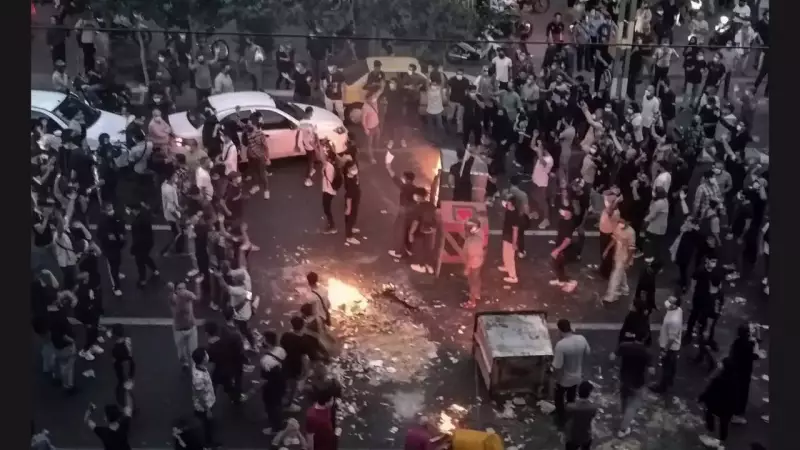
Iran has plunged into a severe communication blackout, with authorities imposing sweeping restrictions by shutting down internet services and telephone lines across vast regions of the country. This drastic move comes as nationwide protests against crippling economic hardship intensified significantly on Thursday.
Nationwide Blackout and International Condemnation
The regime's crackdown aims to stifle dissent and prevent images of the unrest from reaching the global audience. There are growing fears that officials may also attempt to interfere with satellite signals to block the flow of information.
From exile, the Iranian crown prince, Reza Pahlavi, strongly condemned the government's actions. He accused the leadership of deliberately silencing millions of Iranians who are demanding fundamental political and economic reforms.

"Millions of Iranians demanded their freedom tonight. In response, the regime in Iran has cut all lines of communication. It has shut down the Internet. It has cut landlines. It may even attempt to jam satellite signals," Pahlavi stated in a powerful post on the social media platform X.
He called on the international community to take decisive steps, urging the use of "all technical, financial, and diplomatic resources available" to restore communication channels for the Iranian people.
Trump's Stark Warning and US Stance
In the midst of the crisis, Reza Pahlavi publicly thanked US President Donald Trump for his firm position against the Iranian leadership. He also pressed European leaders to emulate Washington's approach and break their silence.
President Trump issued a sharp warning to Tehran, threatening severe repercussions if security forces use deadly violence against the demonstrators. "I have let them know that if they start killing people... we are going to hit them very hard," Trump declared during a radio interview.
In a separate post on Truth Social, he added, "If Iran violently kills peaceful protesters... the United States of America will come to their rescue. We are locked and loaded and ready to go." While the specifics of potential US action remain unclear, the rhetoric marks a significant escalation.
US Vice President JD Vance reiterated support for peaceful protesters, and the State Department issued an unusually blunt warning in Persian on X, directly addressing Iran's leaders about President Trump's resolve.
Protests Spread Across All Provinces
The current wave of unrest, which marks the largest since 2022, began on 28 December. It was initially triggered by shopkeepers in Tehran protesting another sharp devaluation of the Iranian rial. The currency has hit record lows, with inflation soaring to approximately 40 percent, exacerbated by sanctions and systemic mismanagement.
The protests quickly spread, with university students joining in. Demonstrations have now been reported in 111 cities and towns across all 31 provinces, according to the US-based Human Rights Activist News Agency. Protesters have been heard chanting slogans against Supreme Leader Ali Khamenei and, in some instances, expressing support for the exiled prince.
The activist group reports that at least 34 protesters and four security personnel have been killed, with over 2,200 arrests. The BBC Persian service has confirmed the deaths and identities of 21 individuals, while Iranian authorities have acknowledged the deaths of five security force members.
As the communication blackout tightens its grip and international pressure mounts, the situation inside Iran remains highly volatile. The standoff between a populace suffering a deep economic crisis and a regime intent on suppressing dissent shows no immediate signs of resolution.






