

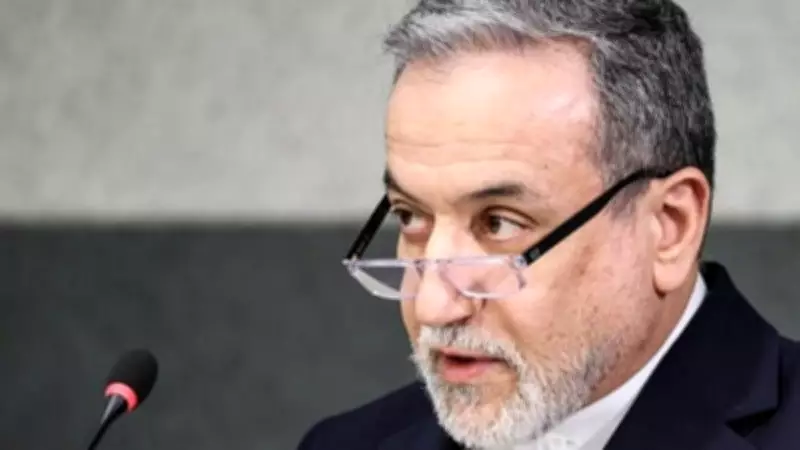
Iran's foreign minister has blamed the United States for the failure of the second round of talks between the two countries, citing 'excessive demands' by Washington. The statement comes after President Donald Trump cancelled a planned trip by US negotiators Steve Witkoff and Jared Kushner, saying they will no longer be going to Pakistan for talks with Iran.
Background of the Talks
The negotiations were aimed at addressing longstanding tensions over Iran's nuclear program and regional influence. The first round of talks earlier this year had raised hopes for a potential breakthrough, but the second round collapsed amid mutual recriminations.
Iran's Accusations
In a press conference, the Iranian foreign minister stated that the US delegation presented conditions that were impossible for Tehran to accept. He emphasized that Iran remains committed to diplomatic solutions but will not bow to pressure.

US Response
President Trump, speaking to reporters, accused Iran of intransigence and reaffirmed his administration's 'maximum pressure' policy. He cancelled the envoys' trip, stating that further talks would be futile without a change in Iran's stance.
Regional Implications
The breakdown of talks has raised concerns across West Asia. Analysts warn that the failure could lead to increased instability, with potential repercussions for neighboring countries and global energy markets.
Pakistan, which was to host the talks, expressed disappointment. A foreign office spokesperson called for renewed efforts to reduce tensions but stressed that the decision to cancel the visit was made by the US side.
International Reactions
The United Nations and European Union have urged both sides to return to the negotiating table. Meanwhile, Russia and China have criticized US unilateralism, calling for a more inclusive dialogue process.
As the situation develops, the world watches closely to see whether diplomatic channels can be revived or if the region faces a new cycle of confrontation.






