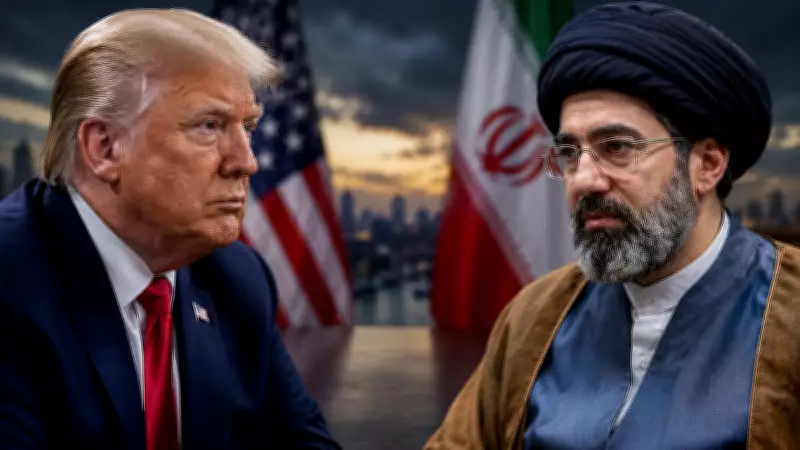
A 14-point draft memorandum of understanding (MoU) between the United States and Iran has been revealed, outlining a potential agreement that could reshape West Asia and global oil markets. The document, obtained by media sources, details steps for both sides to de-escalate tensions and address key issues.
Key Provisions of the Draft MoU
The draft includes provisions for Iran to limit its nuclear enrichment activities in exchange for relief from economic sanctions. Specifically, Iran would cap uranium enrichment at 60% purity, allow enhanced inspections by the International Atomic Energy Agency (IAEA), and refrain from developing nuclear weapons. In return, the US would lift sanctions on Iranian oil exports, unfreeze billions of dollars in Iranian assets, and cease efforts to isolate Iran diplomatically.
Impact on West Asia
Analysts suggest that a deal could reduce the risk of military conflict in the region, particularly involving Israel and Gulf states. Iran's influence in Yemen, Syria, and Iraq may be curtailed if the agreement includes commitments to de-escalate regional proxy conflicts. However, critics argue that the deal may not adequately address Iran's ballistic missile program or support for militant groups.

Global Oil Trade Implications
If implemented, the deal could add significant Iranian oil supply to global markets, potentially lowering oil prices. Iran has the capacity to produce up to 3.8 million barrels per day, but current sanctions limit exports. Lifting restrictions could increase global supply by 1-2 million barrels per day, affecting OPEC+ production strategies and energy prices worldwide.
Reactions and Challenges
Israeli and Saudi officials have expressed reservations, fearing that a US-Iran deal may legitimize Iran's regional ambitions. US domestic politics also pose challenges, as some lawmakers oppose easing sanctions without broader concessions. Negotiations are ongoing, with no final agreement yet reached.