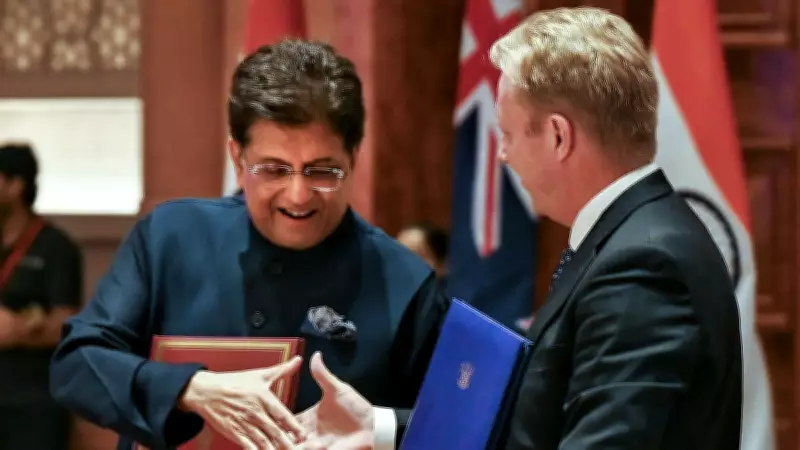
India and New Zealand are in the process of negotiating a comprehensive free trade agreement (FTA) aimed at significantly enhancing bilateral economic ties. The proposed pact is expected to cover a wide range of areas including trade in goods, services, investment, and intellectual property rights, among others.
Key Objectives of the FTA
The primary goal of the India-New Zealand FTA is to reduce tariffs and non-tariff barriers, thereby facilitating increased trade flows between the two countries. For India, this could mean greater access to New Zealand's market for its pharmaceuticals, textiles, and agricultural products. New Zealand, on the other hand, seeks expanded opportunities for its dairy, meat, and horticultural exports to India.
Potential Benefits for India
- Market Access: Indian exporters could benefit from reduced tariffs on goods such as garments, leather products, and engineering items.
- Services Sector: The agreement may open up opportunities for Indian IT and professional services firms to operate more freely in New Zealand.
- Investment: Enhanced investment protections could encourage Indian companies to invest in New Zealand's agriculture, tourism, and infrastructure sectors.
Potential Benefits for New Zealand
- Dairy Exports: New Zealand's dairy industry, which is highly competitive globally, could gain greater access to India's large and growing market.
- Agricultural Goods: Tariff reductions would benefit New Zealand's exports of kiwifruit, wine, and meat products.
- Education and Tourism: The FTA could facilitate increased collaboration in education and tourism, with more students and tourists traveling between the two countries.
Challenges and Negotiation Stances
Despite the potential benefits, negotiations face several challenges. India has historically been protective of its agricultural sector, particularly dairy, which could be a sticking point. New Zealand, meanwhile, seeks comprehensive market access for its agricultural exports. Both sides have expressed willingness to find a balanced outcome that addresses sensitive sectors.

Other areas of negotiation include rules of origin, sanitary and phytosanitary measures, and intellectual property rights. The agreement is also expected to include provisions on e-commerce and digital trade, reflecting the growing importance of the digital economy.
Current Status and Timeline
The two countries have resumed formal negotiations after a hiatus. While no specific timeline has been set, both sides are optimistic about concluding a mutually beneficial agreement. The FTA is part of India's broader strategy to enhance trade ties with the Asia-Pacific region, complementing its existing agreements with countries like Australia and the UAE.
If successful, the India-New Zealand FTA could serve as a model for future trade pacts and significantly boost bilateral trade, which currently stands at around $2 billion annually.