US Menus Undergo Changes as Trump's Tariffs Drive Up Wine Prices
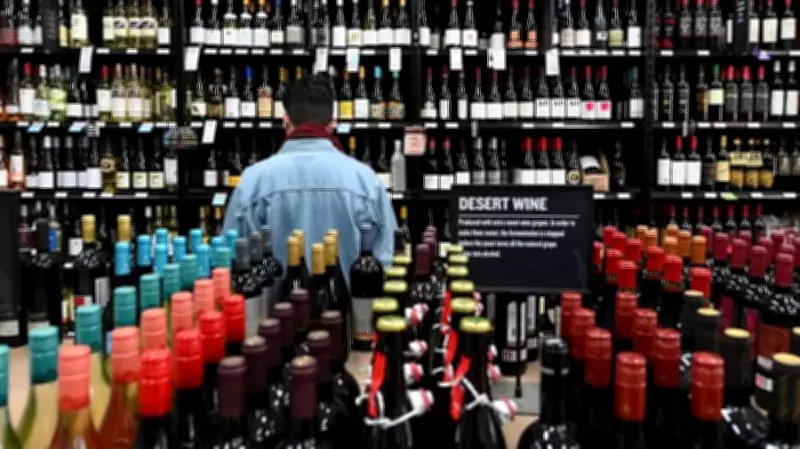
In response to tariffs imposed on imports from alcohol-producing regions like Europe since last year, US businesses are actively rewriting menus and restocking retail shelves with more affordable alternatives. This shift is a direct consequence of the economic pressures brought on by the trade policies, as confirmed by five US restaurants, retailers, or wine and spirits wholesalers interviewed by Reuters.
Industry Adaptation to Rising Costs
The tariffs have significantly increased the cost of European wines, forcing many establishments to reconsider their offerings. Restaurants are now exploring cheaper domestic or non-European options to maintain profitability without passing excessive costs onto customers. This strategic move involves not only menu revisions but also adjustments in inventory management to ensure a steady supply of reasonably priced beverages.
Impact on Retail and Wholesale Sectors
Retailers and wholesalers are similarly affected, with many opting to diversify their product lines. By sourcing from regions less impacted by tariffs, they aim to keep shelves stocked with accessible choices for consumers. This adaptation highlights the broader economic ripple effects of trade policies on everyday business operations and consumer experiences in the United States.

Broader Implications for the US Market
The changes underscore how international trade decisions can influence local markets, prompting businesses to innovate and adapt. As tariffs continue to shape pricing dynamics, the wine and spirits industry in the US is navigating these challenges by prioritizing affordability and variety, ensuring that customers still have access to quality products despite the increased costs from imported goods.