Oil Prices Retreat Amid Progress in US-Iran Talks and Extended Deadline
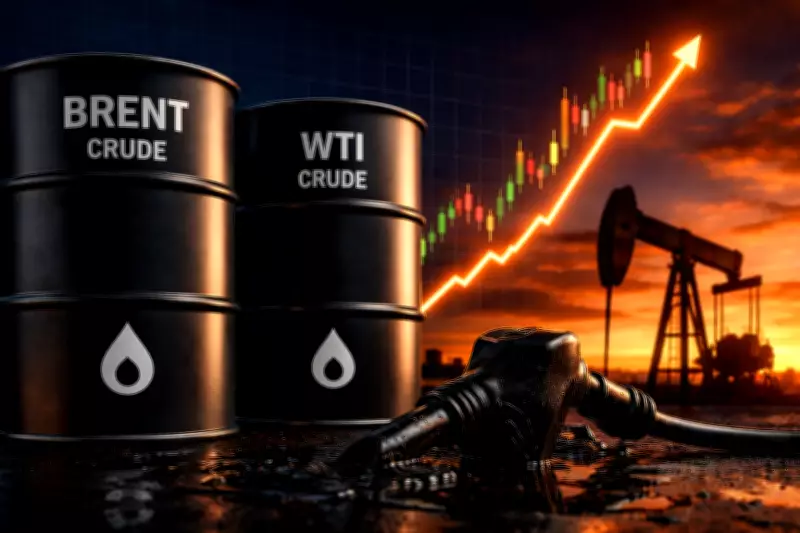
Oil prices experienced a notable decline on Friday, cooling down after a surge in previous sessions, as the United States indicated that negotiations with Iran are advancing positively. Both major benchmarks, Brent crude and West Texas Intermediate (WTI), dropped by approximately 2%, reflecting eased tensions in the volatile Middle East region.
Price Movements and Market Reaction
Brent crude, the international benchmark, touched a high of $108 per barrel before settling at $105.75 per barrel, marking a decrease of 2.08%. Meanwhile, West Texas Intermediate stood at $92.67 per barrel, down by 1.94%, as of 7:50 am IST. This pullback follows a significant rally the previous day, where Brent crude prices rose 4.8% to close at $101.89 per barrel, driven by expectations of normalized operations in the Strait of Hormuz. Current prices remain substantially higher than the pre-war level of around $70 per barrel, highlighting the ongoing impact of the conflict.
Trump's Statements and Negotiation Updates
US President Donald Trump played a pivotal role in calming market fears by announcing that talks with Iran are "going very well" and dismissing contrary reports as false. In a statement on his social media platform on Thursday morning, Trump emphasized, "Talks are ongoing and, despite erroneous statements to the contrary by the Fake News Media, and others, they are going very well." He issued a warning to Iran's negotiators, adding, "They better get serious soon, before it is too late. Because once that happens, there is NO TURNING BACK, and it won't be pretty!"

Furthermore, Trump extended the deadline for potential strikes on Iran's energy infrastructure by 10 days, citing a request from Tehran and positive negotiation progress. He stated, "As per Iranian Government request, please let this statement serve to represent that I am pausing the period of Energy Plant destruction by 10 Days to Monday, April 6, 2026, at 8pm, Eastern Time." This move has contributed to reduced geopolitical risks, temporarily alleviating supply concerns.
Broader Context and Supply Dynamics
The Middle East war, which began on February 28, has tightened global oil supply flows, with Iran asserting control over the Strait of Hormuz. Reports suggest that Iran's parliament is drafting legislation to introduce charges on vessels passing through this strategic waterway, potentially requiring ships to pay for safe passage. According to the semi-official Fars news agency, lawmakers are preparing a bill that could be finalized as early as next week, establishing a legal framework for such fees.
Amid these developments, strategists at Goldman Sachs have projected that Brent crude could average around $105 in March and rise to $115 in April, before gradually easing to about $80 in the fourth quarter and maintaining that level through 2027. This forecast underscores the ongoing volatility and long-term implications of the conflict on oil markets.
Impact on Global Markets and Future Outlook
The cooling of oil prices reflects a temporary respite as diplomatic efforts gain traction. However, the situation remains fluid, with potential for renewed spikes if negotiations stall or tensions escalate. Key factors to monitor include:
- Negotiation Progress: Continued positive dialogue between the US and Iran could further stabilize prices.
- Strait of Hormuz Developments: Any implementation of fees or disruptions in the strait may tighten supply and push prices higher.
- Geopolitical Events: Ongoing conflicts and regional instability pose risks to oil production and transportation.
As the war approaches its one-month mark, global oil markets remain on edge, balancing between diplomatic hopes and supply constraints. Investors and analysts will closely watch for updates from both sides to gauge the trajectory of oil prices in the coming weeks.