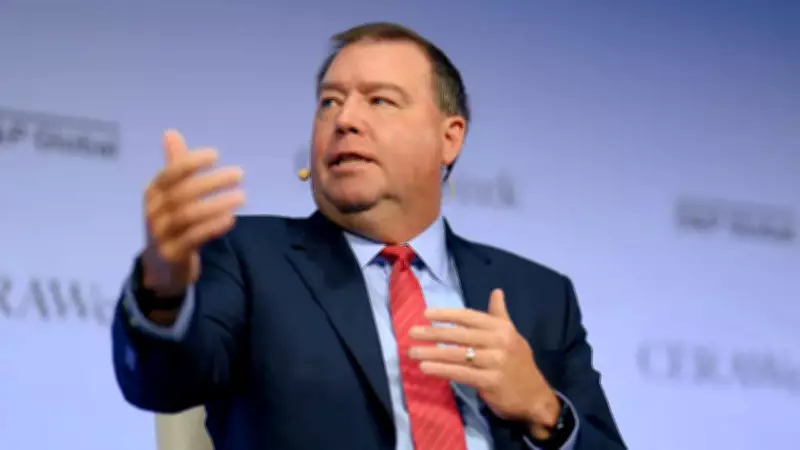
Chevron Executive Advocates for Energy Conservation Amid Global Oil Price Surge
In a recent interview with CBS News, Chevron executive Andy Walz offered straightforward advice to Americans looking to save money at the gas pump: drive less and conserve energy. "People should try to drive less. They should try to conserve energy," Walz emphasized, adding that this should be a continuous practice. "We should be doing that all the time. Energy's essential for people's lives, but we should conserve it."
Global Market Pressures and the Strait of Hormuz Impact
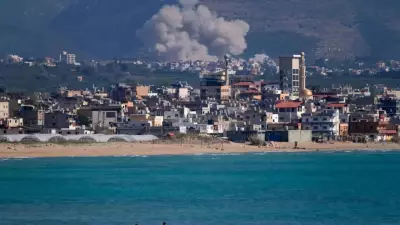
The context for Walz's comments is a significant spike in global oil prices, driven by geopolitical tensions in the Middle East. Since the onset of recent conflicts, ship traffic through the Strait of Hormuz has been disrupted. This critical waterway carries approximately 20% of the world's oil and gas supply, and its instability has led to skyrocketing fuel costs. Brent crude, the international benchmark for oil prices, has surged, hovering around $100 per barrel in recent weeks, putting pressure on consumers worldwide.
Walz cautioned that there is likely no quick fix to alleviate these high prices for Americans in the long term, especially while oil remains expensive globally. "It's a global market for crude," he explained. "We have crude here, that's closer to us, that we're all processing and using. That's helping Americans buffer their price. ... If this goes on for an extended period of time, it's probably gonna get tougher."

Supply Chain Concerns and International Implications
Beyond immediate price worries, Walz warned of potential supply chain issues if the crisis persists. He highlighted that while the United States relies more on local production, many countries in Asia and other regions depend heavily on Middle Eastern crude. "They can't get it. They can't refine it. They can't make the products people need, and they're starting to run out. And that is a real problem," Walz stated. "We're worried about price here. There's other countries that don't have the products. And to me, that is a big worry."
White House Response and Economic Outlook
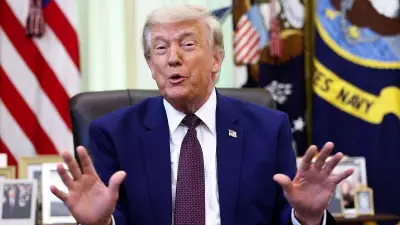
In contrast to these concerns, the White House has downplayed the impact on the U.S. economy, characterizing the price increases as "short-term disruptions." Last week, White House spokesperson Kush Desai asserted, "As the Administration ensures the free flow of energy through the Strait of Hormuz, the American economy remains on a solid trajectory thanks to the Administration’s robust supply-side agenda of tax cuts, deregulation, and energy abundance." This statement reflects a more optimistic view, suggesting that policy measures will help mitigate the effects of global market volatility.
Overall, Walz's advice underscores a broader call for energy efficiency amid ongoing challenges in the global oil market, while differing perspectives highlight the complex interplay between geopolitics, economics, and consumer behavior.