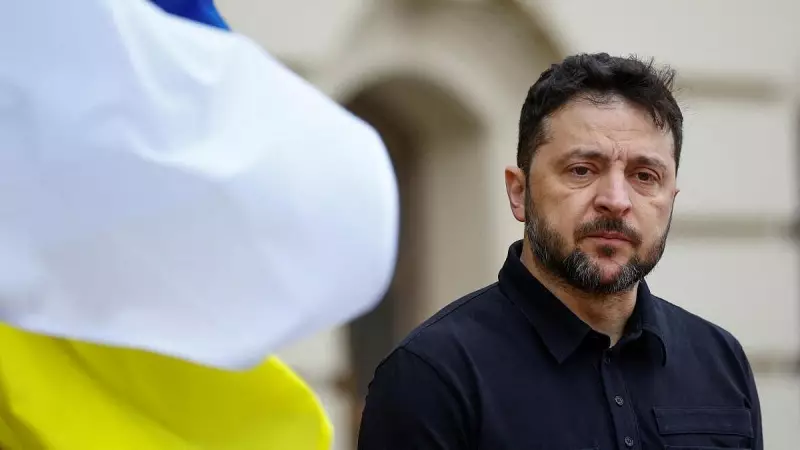
In a year-end address, Ukrainian President Volodymyr Zelenskyy delivered a firm message, declaring he will not sign any peace agreement that is weak and would only serve to prolong the devastating conflict with Russia.
No Compromise on Sovereignty
Speaking from his office, with a festive tree visible in the background, Zelenskyy acknowledged the profound fatigue gripping the nation. He stated that Ukrainians are exhausted from nearly four years of relentless war. In a stark historical comparison, he noted that this duration has already surpassed the period of the German World War Two occupation of many major Ukrainian cities.
Despite this immense weariness, the President emphasized a resolute national spirit. He made it clear that exhaustion has not led to a willingness to capitulate or accept unfavorable terms. The core message was one of defiant endurance; the people of Ukraine are not prepared to give up their fight for sovereignty and territorial integrity.

The Stakes of a Weak Peace Deal
Zelenskyy's statement directly addresses ongoing international diplomatic efforts and speculation about potential peace negotiations. His warning against a "weak deal" suggests deep concerns that any agreement failing to secure Ukraine's core interests would merely provide a temporary pause, allowing Russia to regroup and reignite hostilities later. This position underscores Ukraine's demand for a sustainable and just peace, not a frozen conflict.
The timing of the statement, on December 31, 2025, frames it as a defining principle for the coming year. It serves as a signal to both the Ukrainian populace and the international community about the government's unwavering stance as the war approaches its fourth anniversary.
Endurance in the Face of Exhaustion
The President's candid admission of national exhaustion paints a realistic picture of the war's toll. However, by immediately coupling it with a declaration of continued resistance, the speech aims to transform fatigue into a source of moral strength. The historical reference to World War Two occupation is a powerful rhetorical tool, linking the current struggle to a past existential battle that Ukraine ultimately survived.
This stance has significant implications for the future of the Russia Ukraine conflict. It sets a high bar for any diplomatic breakthroughs and indicates that the Zelenskyy administration views military resilience and strategic patience as essential to achieving its long-term objectives. The world now watches to see how this resolve will shape the geopolitical landscape in 2026.