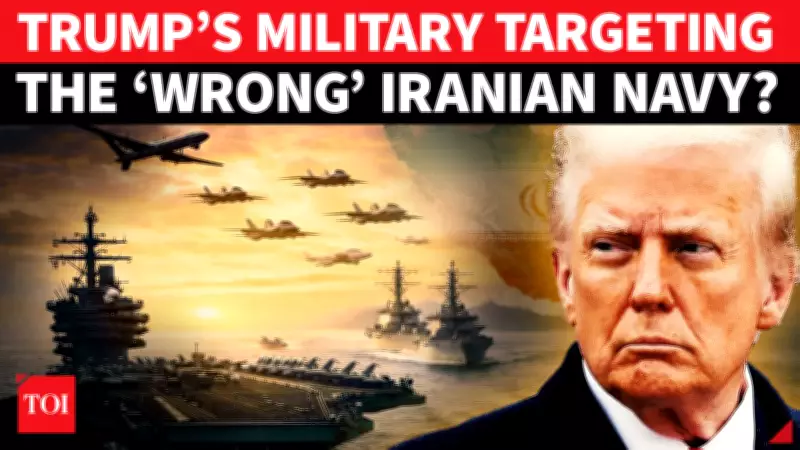
US-Israeli Military Action Inflicts Heavy Damage on Iranian Naval Forces
Coordinated strikes by the United States and Israel have delivered a substantial blow to Iran's conventional naval capabilities, according to recent reports and satellite imagery analysis. The attacks, which targeted several Iranian warships and key naval installations, have reportedly caused significant losses within the Islamic Republic of Iran Navy (IRIN).
Satellite Evidence Reveals Extent of Conventional Fleet Damage
Analysis of satellite data, as cited by The New York Times, indicates that Iran's primary naval force has suffered considerable damage from the recent military operations. The strikes have reportedly destroyed multiple vessels and compromised important naval bases, weakening Iran's traditional maritime defense structure.
The Persistent Threat of Iran's Revolutionary Guard Naval Arm
Despite these setbacks to Iran's conventional navy, security experts emphasize that the more significant and immediate danger stems from the naval forces of the Islamic Revolutionary Guard Corps (IRGC). This separate military branch operates what analysts describe as a 'secret' or asymmetric naval force specifically designed for challenging engagements in confined waterways like the Strait of Hormuz.

The IRGC Navy employs unconventional tactics and assets, including:
- Large swarms of fast-attack speedboats capable of overwhelming traditional warships
- Advanced drone systems for surveillance and potential strikes
- Unmanned explosive vessels designed for kamikaze-style attacks on commercial and military targets
Strategic Implications for the Strait of Hormuz and Global Energy Security
The Strait of Hormuz remains one of the world's most critical maritime chokepoints, with approximately one-fifth of global oil consumption passing through its narrow waters. Military analysts caution that despite damage to Iran's conventional fleet, the IRGC's asymmetric capabilities could still be deployed to disrupt commercial shipping and threaten international oil routes in the Persian Gulf.
This ongoing situation creates a complex security dilemma in the region, where conventional military superiority may not fully counter unconventional naval threats. The persistence of the IRGC's naval arm suggests that tensions in the Middle East, particularly concerning maritime security and energy transportation, are likely to remain elevated despite recent military successes against Iran's traditional navy.