Middle East Conflict Escalates with Drone Attack on Kuwait Airport
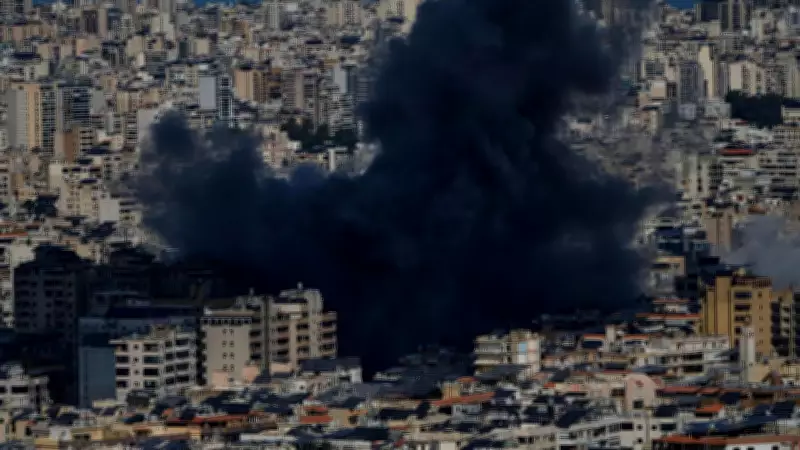
The ongoing military confrontation involving the United States, Israel, and Iran has now surpassed the one-month mark, with recent developments indicating both heightened hostilities and potential pathways toward de-escalation. In a significant escalation, authorities in Kuwait reported that the country's international airport was targeted by drone attacks originating from Iran and its supported armed factions. According to Abdullah Al-Rajhi, spokesperson for the General Authority of Civil Aviation, the raids specifically struck fuel tanks at the airport, resulting in a large fire. Emergency teams responded promptly, and while material damage was reported, there were no human injuries.
US Leadership Signals Potential War Conclusion
Amid the rising tensions, US President Donald Trump has provided a notable indication that the conflict may be nearing its conclusion. He stated that Washington could potentially wind down military operations within two to three weeks, emphasizing that a formal agreement with Iran is not a prerequisite for withdrawal. Trump underscored that the primary objective of the US involvement is to curb Tehran's nuclear capabilities. Additionally, he expressed frustration with allied nations, asserting that securing the Strait of Hormuz—a critical global oil route—should not be America's responsibility, urging other countries to manage their own energy security concerns.
Diplomatic and Military Developments Unfold
US Secretary of State Marco Rubio echoed the sentiment of an approaching "finish line," though he clarified that an immediate end is not anticipated. Rubio also raised questions about the future of US-NATO relations, suggesting a reevaluation may be necessary post-conflict, particularly regarding the utility of military bases in Europe for projecting American power. On the ground, coordinated strikes by US and Israeli forces have continued across Iranian territory, targeting key infrastructure such as pharmaceutical and steel plants in locations like Isfahan and Farokhshahr.

Regional Tensions and Global Concerns
The conflict has sparked broader regional instability, with Israel expanding its military posture. Israeli Defence Minister Israel Katz announced plans to demolish homes in southern Lebanon, indicating that displaced civilians may not be permitted to return. In Iraq, authorities reported the kidnapping of a foreign journalist in Baghdad, adding to the security concerns. Meanwhile, Iran's Foreign Minister Abbas Araghchi confirmed that no formal negotiations are underway with the US, citing a lack of trust. Tehran has also issued threats against major US technology companies, hinting at potential cyber or economic expansions of the conflict.
International Efforts for Peace and Stability
Diplomatic initiatives are actively being pursued to mitigate the crisis. China and Pakistan have jointly proposed a five-point peace initiative aimed at restoring stability in the region. Leaders from Qatar and the United Arab Emirates have engaged in discussions on the conflict and broader regional security matters. In a related development, the UAE has implemented restrictions barring Iranians from entering or transiting the country, as announced by airlines including Emirates, Etihad, and FlyDubai.
Maritime Incidents and Economic Impacts
Further complicating the situation, a tanker was hit by an unknown projectile off the coast of Qatar's capital, Doha, according to the UK Maritime Trade Operations. The incident caused damage to the hull above the waterline but resulted in no casualties or environmental impact. Globally, the war has triggered concerns over energy markets, with rising oil prices and supply chain disruptions affecting economies worldwide. As the conflict evolves, the coming weeks are poised to be critical in determining whether it moves toward resolution or deeper instability, with all parties closely monitoring developments.