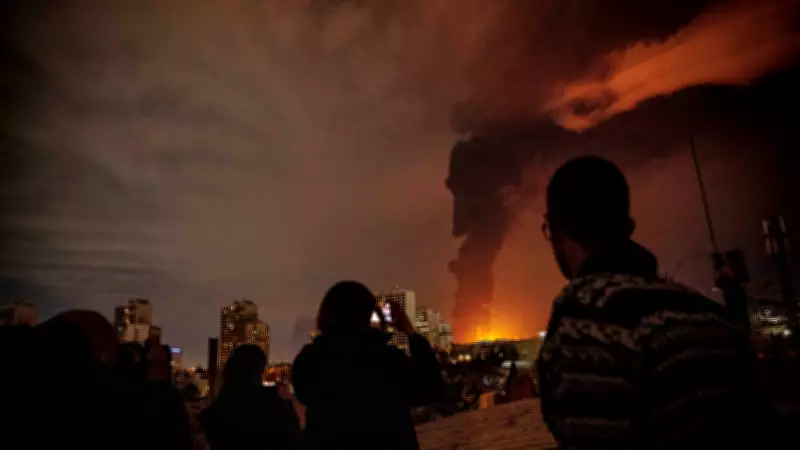
US-Israel-Iran War Escalates with Over 1,600 Fatalities and Regional Fallout
The ongoing conflict between the United States, Israel, and Iran has resulted in a devastating human toll, with at least 1,230 deaths reported in Iran, 397 in Lebanon, 11 in Israel, and seven American casualties. In Lebanon, the fighting has forcibly displaced more than half a million people, although authorities indicate the actual number is likely higher, as the official figure of 517,000 only accounts for those registered on a government portal.
Humanitarian and Economic Shockwaves Across the Region
Beyond the immediate battlefield, the war has triggered a severe humanitarian and economic crisis. Global energy markets have been severely disrupted, with oil prices soaring above $100 per barrel and natural gas supplies tightening after QatarEnergy halted production. Israel has issued evacuation warnings for dozens of villages in southern Lebanon and all of Beirut's southern suburbs, compelling families to seek refuge in schools, vehicles, and open coastal areas.
Timeline of Key Events in the Conflict
Day 1: Decapitation Strike on Iran's Leadership

The war began on February 28 with a massive joint US-Israel strike targeting military bases, missile launch sites, and strategic facilities across Iran, including in Tehran, Isfahan, and Kermanshah. The most significant development was the killing of Iran's Supreme Leader Ali Khamenei, described by analysts as a "decapitation strike" aimed at crippling Iran's leadership. Several senior military commanders were also reported killed. The strike involved the Blue Sparrow missile, which traveled toward space before descending at high speed to hit Khamenei's compound in Tehran during a meeting of senior officials.
Day 2: Iran's Major Retaliation
Iran responded swiftly by launching missiles and drones toward Israel and US military facilities in the region. Air-raid sirens sounded across Israeli cities as defense systems were activated. The United States expanded its air campaign, striking missile launchers, air-defense systems, and facilities linked to the Islamic Revolutionary Guard Corps.
Day 3: Hezbollah Opens Northern Front
The conflict widened when Hezbollah launched rockets from southern Lebanon toward northern Israel. Israel retaliated with heavy airstrikes on Hezbollah positions in Beirut's southern suburbs and other areas across Lebanon, resulting in over 200 reported deaths. Among the deadliest attacks were overnight airstrikes on the town of Nabi Chit, killing at least 16 people and injuring 35.
Day 4: Gulf Tensions Rise and Shipping Threatened
By the fourth day, the conflict began affecting Gulf states hosting American military bases. Iranian missiles and drones were intercepted over countries including Kuwait, Bahrain, Qatar, and the United Arab Emirates, with debris causing damage. Tensions escalated in the Strait of Hormuz, disrupting maritime traffic and raising fears of a wider energy crisis.
Day 5: Gulf States Drawn Deeper into Conflict
On Wednesday, the Iranian warship IRIS Dena was torpedoed by a US submarine about 44 nautical miles south of Sri Lanka, killing at least 87 people. Meanwhile, air-defense systems in the UAE intercepted dozens of projectiles, with debris damaging areas near Dubai's international airport and coastal regions. In Bahrain, a missile struck a state-run oil refinery, triggering a fire, while Kuwait temporarily suspended operations at the US embassy.
Day 6: Intensified Strike Campaign by US and Israel
By day six, the United States and Israel significantly intensified operations inside Iran, striking hundreds of targets including ballistic missile launchers and naval facilities. Israeli officials claimed roughly 80% of Iran's air-defense systems had been destroyed. Iranian authorities reported the death toll had risen to over 1,300 nationwide, with heavy damage in multiple cities.
Day 7: Conflict Spreads Across the Region

Fighting spread to multiple fronts, with Israel intensifying strikes on Hezbollah targets in Lebanon and issuing evacuation warnings for parts of Beirut's southern suburbs and the Bekaa Valley. Clashes were reported along the Lebanon-Syria border, and rockets targeted American forces near Baghdad and Erbil. Explosions were heard in Dubai and Manama as air-defense systems intercepted projectiles, and traffic through the Strait of Hormuz slowed dramatically.
Day 8: Heavy Bombardment and Regional Strikes Continue
Israel deployed around 80 jets in a large wave of strikes targeting military infrastructure in Iran, with explosions reported across Tehran and a fire at Mehrabad Airport. Missile and drone attacks were also reported across Gulf states, including Saudi Arabia, Qatar, Bahrain, and the UAE. Saudi Arabia intercepted 16 drones targeting the Shaybah oil field, while flights to and from Dubai briefly halted.
Day 9: Civilian Targets Hit as Casualties Mount
Missile strikes continued across Gulf nations, with Bahrain reporting damage to buildings and infrastructure. Bahrain accused Iran of striking a desalination plant, raising water security fears. In Saudi Arabia, a projectile hit a residential compound in Al-Kharj Governorate, killing two and injuring 12. In Israel, the military reported its first soldier deaths, with two killed in southern Lebanon during fighting with Hezbollah.
Day 10: Iran Names New Supreme Leader
On the tenth day, Iran announced that Mojtaba Khamenei, the son of the late Supreme Leader, would succeed his father as the country's new ruler. The cleric, known for close ties with the Islamic Revolutionary Guard Corps, assumed leadership as Iran continued missile and drone attacks across the region. The US military reported one American service member died from injuries in an Iranian attack in Saudi Arabia, bringing total US soldier deaths to seven. Saudi Arabia intercepted a drone targeting the Shaybah oil field and warned Iran it would be the "biggest loser" if attacks persisted. The United States began withdrawing non-essential diplomatic staff from Saudi Arabia and other Gulf countries due to rising security risks.