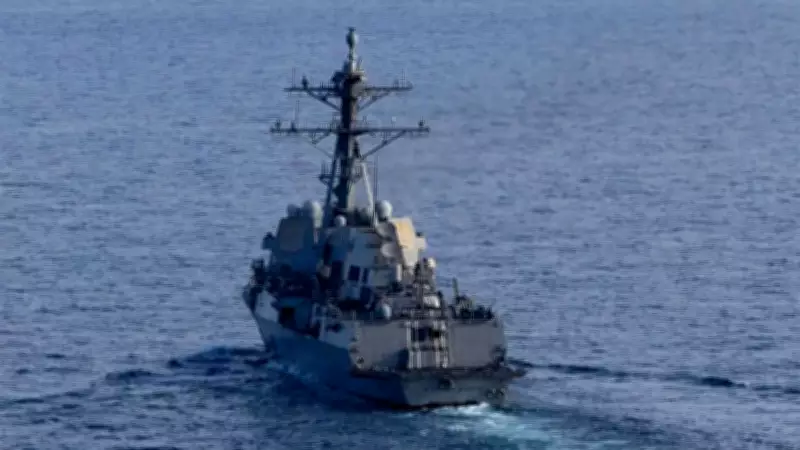
LONDON: Six tankers loaded with Iranian oil have been forced back to Iran by the US blockade in recent days, shiptracking data shows, underscoring the impact the Iran war is having on traffic through the Strait of Hormuz, a major global oil export route.
Between 125 and 140 ships usually crossed in and out of the strait daily before the war in Iran began on Feb 28, but only seven have done so in the past day, according to Kpler ship-tracking data and satellite analysis from SynMax, and none carrying oil bound for the global market. They included the Iranian-flagged dry bulk vessel Bavand which left from an Iranian port, and other vessels leaving from Iraqi ports, the data showed.
The US military has not provided a complete breakdown of the type of ships it has diverted or the precise location of the interceptions. “Iran has attacked and detained ships for not adhering to its required transit requirements, while the US has continued to enforce its blockade,” ship broker Clarksons said on Monday.

US allowed some vessels
The six tankers forced to return to Iranian ports in recent days were carrying an estimated 10.5 million barrels of oil, according to satellite analysis from TankerTrackers.com. While the US forces in the Gulf of Oman instructed some vessels to turn back, others appeared to be allowed to sail on. Two tankers carrying around four million barrels of Iranian oil managed to sail past the blockade on April 24 bound for Asia, the data showed. Four separate, empty Iranian tankers were last seen around Pakistan’s coast after returning from Asia, according to the analysis.
Analysts said US forces have been diverting Iran-linked ships as far east as the Malacca Strait, so it is unclear whether those cargoes will reach buyers or be intercepted and redirected back to Iran. Hundreds of ships and an estimated 20,000 seafarers remained stranded inside the Gulf. Those seafarers are “exposed to significant risks and psychological strain,” Arsenio Dominguez, secretary-general of UN shipping agency the international maritime organisation, said on Monday.