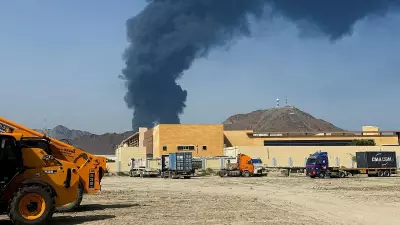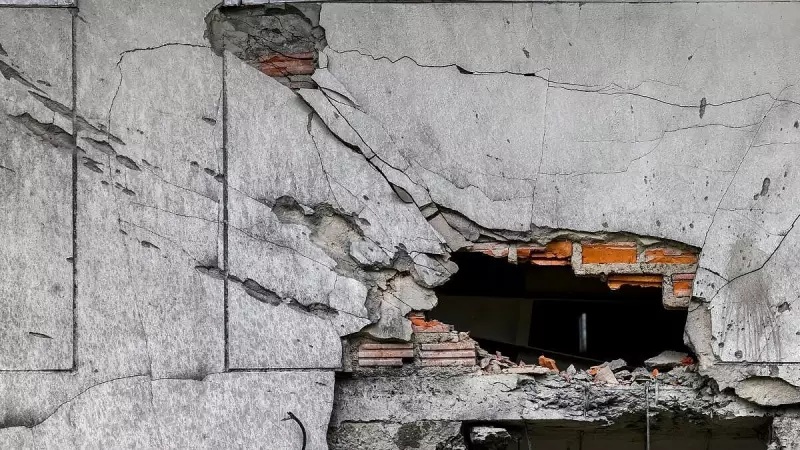
The Royal Thai Army has confirmed launching air strikes along its contentious border with Cambodia, marking a significant escalation in a long-standing territorial dispute. The military action was reported on Tuesday, targeting areas near the ancient Preah Vihear temple, a UNESCO World Heritage site that has been a flashpoint for conflict for decades.
Details of the Military Operation
According to official statements from the Thai army, the air strikes were a direct response to what they described as Cambodian forces encroaching into a disputed zone. The operation involved Thai fighter jets conducting targeted strikes. The army emphasized that the action was a measured response to protect Thailand's sovereignty and was based on confirmed intelligence about the movement of Cambodian troops and equipment into the contested area.
The core of the dispute revolves around a 4.6-square-kilometre patch of land surrounding the Preah Vihear temple. While the International Court of Justice awarded the temple itself to Cambodia in 1962, the ownership of the adjacent territory has remained bitterly contested. This region has witnessed sporadic clashes between the two Southeast Asian nations over the years, including a deadly confrontation in 2011 that resulted in casualties on both sides and displaced thousands of civilians.

Regional Reactions and Historical Context
The immediate reaction from Cambodian authorities was one of condemnation. Cambodian defence officials labelled the Thai air strikes as a serious violation of its territorial integrity and an act of aggression. They have called for an immediate ceasefire and urged for diplomatic channels to be used to de-escalate the situation. The incident has drawn concern from neighbouring countries and international observers, wary of a prolonged military conflict destabilizing the region.
The historical weight of this border issue cannot be overstated. The Preah Vihear temple, dating back to the 11th century, is a potent symbol of national pride for both Thailand and Cambodia. Past skirmishes have often been triggered by perceptions of encroachment or construction activities in the area. The latest military action represents the most serious flare-up in recent years, raising fears of a wider confrontation.
Implications and the Path Forward
This escalation poses several immediate risks. Firstly, it threatens the safety of civilians living in the border provinces of both nations. Secondly, it undermines years of bilateral talks and confidence-building measures between Thailand and Cambodia. The Association of Southeast Asian Nations (ASEAN), which both countries are members of, promotes principles of peaceful dispute resolution and non-aggression, making this military action particularly jarring.
The path forward likely hinges on urgent diplomatic intervention. Key aspects to watch include:
- International mediation: Whether third-party nations or ASEAN itself will step in to broker talks.
- Military posture: If both sides will reinforce their border positions or agree to a mutual pullback.
- Domestic politics: How the situation influences public opinion and political stability within both Thailand and Cambodia.
The use of air power represents a dangerous new phase in this old dispute. While the Thai army states its objective was to deter encroachment, the action significantly raises the stakes. The world will be watching closely to see if this incident can be contained through dialogue or if it spirals into a more sustained and damaging border conflict, with repercussions for the entire Southeast Asian region.