Long-standing tensions between major Gulf powers Saudi Arabia and the United Arab Emirates (UAE) continue to simmer, with their strategic divergence now critically impacting the war-torn nation of Yemen. The complex situation has taken a new turn, as the uncertain fate of a key Yemeni separatist leader deepens the ongoing crisis in the country's south.
A Strategic Rift Between Allies
Both nations are close allies of the United States and rank among the world's leading oil producers. However, they have held differing positions for years on a range of volatile geopolitical issues. These disagreements span conflicts in regions like Sudan to broader energy policies. The latest crisis in Yemen has brought these sharp rifts into the open, revealing a fundamental split in their approaches.
The core issue is that Saudi Arabia and the UAE now back opposing sides within the Yemen conflict. This divergence complicates peace efforts and prolongs the suffering of the Yemeni people. The situation underscores how regional competition can exacerbate an already devastating humanitarian disaster.

Yemen's Southern Separatist Quagmire
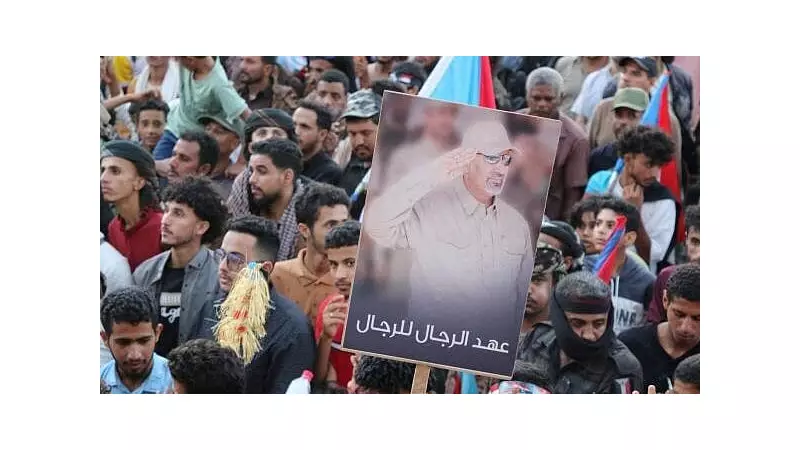
At the heart of the current escalation is the precarious position of a leader from Yemen's southern separatist movement. This figure represents factions that, while historically opposed to the Houthi rebels, also challenge the legitimacy of the internationally recognized Yemeni government. The UAE has traditionally provided support to these southern groups, viewing them as a strategic counterbalance.
In contrast, Saudi Arabia's primary focus remains on supporting the official Yemeni government and defeating the Houthi forces that control the capital, Sanaa. The conflicting support from Riyadh and Abu Dhabi has turned southern Yemen into a battleground of influence, undermining stability and any coherent path to national unity.
Broader Implications and Future Outlook
The lingering Saudi-UAE tensions have consequences far beyond Yemen's borders. They signal a fragmentation of what was once considered a unified Gulf Cooperation Council (GCC) front. This split forces other global powers, including the United States, to navigate a more complex diplomatic landscape in the Middle East.
The report highlighting these developments was published by Reuters on January 7, 2026, at 09:53 IST. As of that date, the situation remains fluid, with no clear resolution in sight. The standoff threatens to:
- Prolong the civil war in Yemen indefinitely.
- Create a permanent fracture between northern and southern Yemen.
- Complicate international efforts to deliver aid and broker peace.
- Impact global energy markets due to the instability in a critical region.
Ultimately, the crisis in Yemen has become a stark manifestation of the deeper strategic competition between two of the Middle East's most powerful nations. Until Saudi Arabia and the UAE can reconcile their visions for Yemen's future, the prospects for peace and reconstruction appear dim. The fate of the separatist leader is just one piece in a much larger and more dangerous geopolitical puzzle.