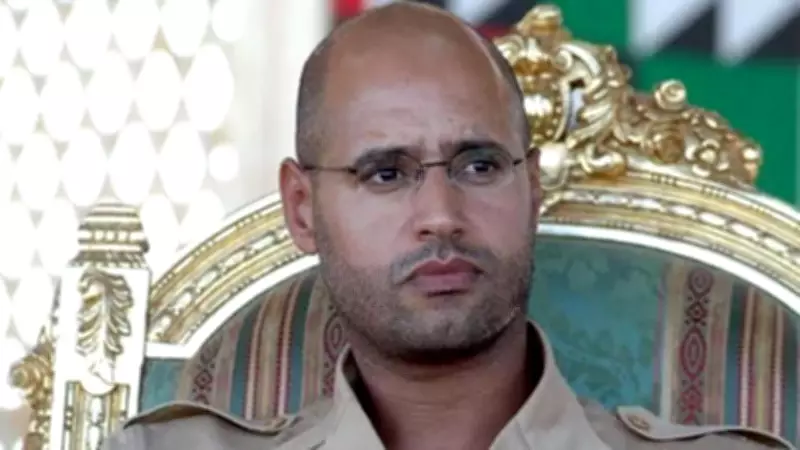
Saif al-Islam Gaddafi, the second-eldest son of former Libyan leader Muammar Gaddafi, has been killed in Libya, according to official statements and family sources confirmed on Tuesday. The 53-year-old former political figure was assassinated in a targeted attack that has sent shockwaves through the nation's already turbulent political landscape.
Details of the Assassination
Libyan media outlets, along with his lawyer Khaled el-Zaydi and political representatives, have confirmed that Saif al-Islam was killed in his residence located in Zintan, a town situated in north-western Libya. A statement released by his political team provides chilling details of the incident, revealing that four masked gunmen entered his home, disabled security cameras, and engaged in a confrontation before shooting him. Libyan authorities have officially opened an investigation into the killing, though no immediate suspects or motives have been publicly identified.
Political Legacy and Controversial Past
Saif al-Islam was once widely regarded as the designated successor to his father's regime, which maintained control over Libya for more than four decades before being overthrown during a NATO-backed uprising in 2011. During that period of unrest, protests against Muammar Gaddafi's authoritarian rule escalated into full-scale civil war, ultimately leading to the elder Gaddafi's capture and death. Saif al-Islam occupied a prominent leadership position within the government prior to 2011, with some international observers viewing him as a potential reformer who might modernize the country's political system.

However, his reputation remained deeply controversial due to his support for harsh measures implemented to suppress dissent during the uprising. This dual perception of Saif al-Islam as both a potential modernizer and a defender of his father's repressive tactics created a complex legacy that continues to influence Libyan politics today.
Post-Revolution Captivity and Legal Challenges
Following the collapse of his father's regime in late 2011, Saif al-Islam was captured by anti-Gaddafi fighters while attempting to flee toward neighboring Niger. He remained in the custody of a militia group in Zintan for several years, during which time he faced significant legal challenges both domestically and internationally.
In 2015, a Libyan court in Tripoli sentenced him to death in absentia on multiple charges, including allegations of violent repression during the 2011 uprising. Simultaneously, the International Criminal Court (ICC) issued a warrant for his arrest on serious charges of war crimes and crimes against humanity, specifically tied to his actions during the 2011 conflict. These overlapping legal proceedings created a complicated jurisdictional situation that remained unresolved at the time of his death.
Political Comeback Attempt and Recent Developments
After gaining release from captivity under a 2017 amnesty agreement, Saif al-Islam gradually re-entered Libyan political life. In a significant development in 2021, he formally announced his candidacy for the Libyan presidency, signaling his intention to return to a position of national leadership. However, the scheduled elections were postponed indefinitely amid the country's ongoing political divisions and institutional instability.
Libya's election authorities subsequently disqualified his presidential bid, citing unspecified legal and procedural grounds. This rejection marked another setback in his political rehabilitation efforts, which had been met with mixed reactions from various factions within Libya's fragmented political environment.
The assassination of Saif al-Islam Gaddafi represents a dramatic development in Libya's prolonged period of instability following the 2011 revolution. His death removes a controversial yet influential figure from the nation's political scene, potentially creating new uncertainties in a country that has struggled to establish stable governance structures for over a decade. The investigation into his killing will be closely watched by both domestic observers and the international community, as it may reveal important insights about the current balance of power and security challenges within Libya.