Russia Intensifies Winter Assault on Ukraine with Massive Missile and Drone Barrage
In a significant escalation of hostilities, Russia launched a renewed wave of strikes targeting Ukraine's critical energy infrastructure early Tuesday, deploying a formidable arsenal of over 70 missiles and approximately 450 attack drones. Ukrainian President Volodymyr Zelenskyy confirmed the extensive assault, which he characterized as a deliberate and coordinated attack on energy facilities across multiple regions.
Widespread Damage and Humanitarian Impact
The bombardment resulted in severe disruptions to heating systems as temperatures plummeted to nearly minus 20 degrees Celsius. In the capital city of Kyiv alone, more than 1,000 residential buildings were left without heating, creating a dire humanitarian situation during one of the coldest periods of winter. The strikes affected numerous regions including Sumy, Kharkiv, Kyiv, Dnipro, Odesa, and Vinnytsia, demonstrating the broad geographic scope of the offensive.
President Zelenskyy provided detailed information about the attack through a post on social media platform X, stating: "Recovery efforts following the Russian strike across our regions are ongoing. Once again, there was a targeted attack specifically on energy facilities – the Russians used a significant number of ballistic missiles in combination with other missiles, more than 70 missiles in total, as well as 450 attack drones."

Casualties and Infrastructure Damage
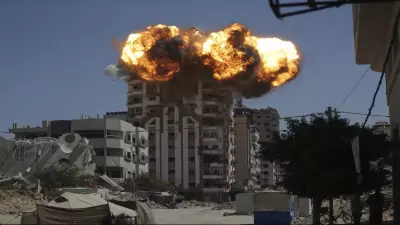
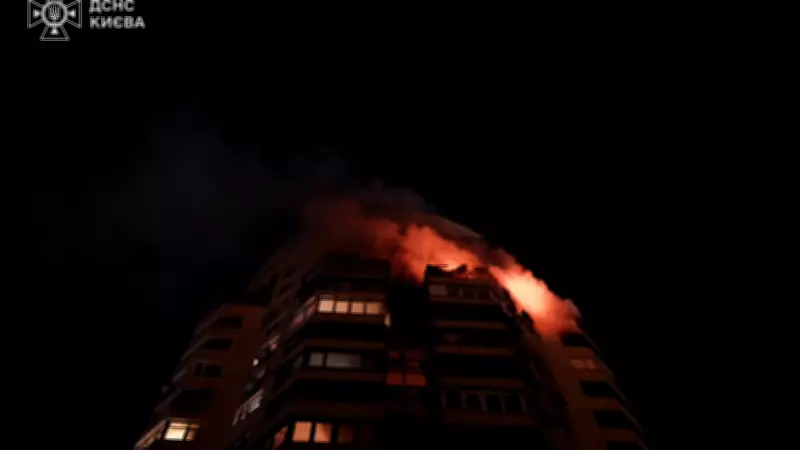
The assault resulted in at least nine reported injuries, with damage extending beyond energy infrastructure to ordinary residential buildings. In Kyiv, drone strikes triggered fires in high-rise buildings and caused damage to a kindergarten, highlighting the indiscriminate nature of the attacks on civilian areas. Emergency services and recovery teams have been deployed across affected regions to address the immediate consequences of the bombardment.
Political and Strategic Implications
President Zelenskyy strongly condemned what he described as Russia's exploitation of winter conditions to terrorize the Ukrainian population, stating: "Taking advantage of the coldest days of winter to terrorize people is more important to Russia than turning to diplomacy." He emphasized that this pattern of aggression clearly demonstrates Ukraine's urgent needs from international partners.
The Ukrainian leader outlined two critical requirements for defending his country:
- Timely delivery of air defense missiles to protect civilian infrastructure and normal life
- Increased international pressure on Russia to counter Moscow's escalation strategy
Zelenskyy warned that without sustained pressure on Russia, there would be no end to the conflict, stating: "Right now, Moscow is choosing terror and escalation, and that is why maximum pressure is required. I thank all our partners who understand this and are helping us."
Broader Context of Energy Infrastructure Targeting
This latest attack represents a continuation of Russia's strategy to target Ukraine's energy grid during winter months, a tactic that has been employed since the early stages of the full-scale invasion. The timing of these strikes during extreme cold weather conditions amplifies their impact on civilian populations, creating additional challenges for emergency response and recovery operations.
The use of ballistic missiles alongside other missile types and hundreds of drones indicates a sophisticated, multi-vector approach to overwhelming Ukraine's air defense systems. This combination of weaponry presents significant challenges for interception and protection of critical infrastructure.
As recovery efforts continue across affected regions, the international community faces renewed questions about how to effectively support Ukraine's defense capabilities while maintaining pressure on Russia to de-escalate the conflict. The targeting of civilian infrastructure during extreme weather conditions raises particular concerns about humanitarian consequences and potential violations of international law.