Russia has declared a unilateral ceasefire in Ukraine to mark the 80th anniversary of the end of World War II, the Kremlin announced on Monday. The ceasefire will come into effect on May 9, the day Russia celebrates Victory Day, commemorating the Soviet Union's victory over Nazi Germany in 1945.
Ceasefire Details
The Russian Defense Ministry stated that the ceasefire will begin at 6:00 a.m. Moscow time on May 9 and will last until midnight. During this period, Russian forces will cease all offensive operations in Ukraine. The move is intended to allow civilians to safely participate in Victory Day commemorations and to demonstrate Russia's commitment to peace, according to the ministry.
International Reaction
Ukraine has not yet officially responded to the ceasefire announcement. However, Ukrainian officials have previously expressed skepticism about Russian ceasefires, accusing Moscow of using them to regroup and resupply. The United States and European Union have called for a full and lasting ceasefire, urging Russia to withdraw its troops from Ukraine.

United Nations Secretary-General Antonio Guterres welcomed the ceasefire as a positive step but emphasized the need for a comprehensive peace agreement. "Any reduction in violence is welcome, but we must see a complete end to hostilities and a return to diplomacy," he said in a statement.
Historical Context
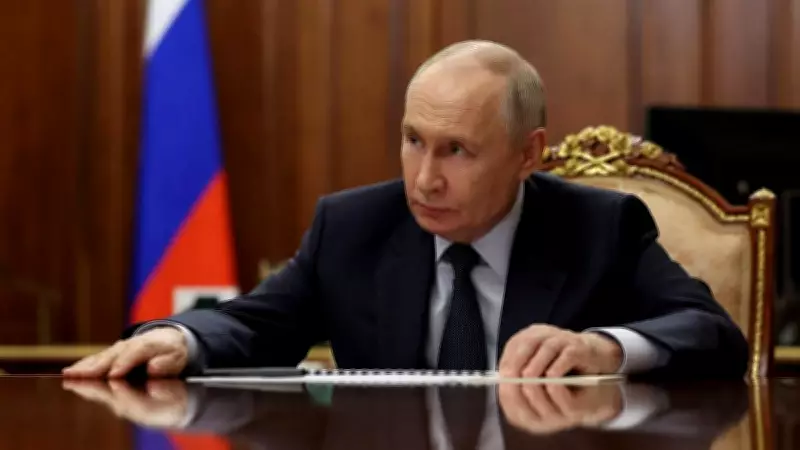
Victory Day holds deep significance in Russia, with grand military parades and ceremonies honoring the 27 million Soviet citizens who died in the war. President Vladimir Putin is expected to address the nation during the celebrations, likely drawing parallels between the fight against Nazism and the current conflict in Ukraine.
This is not the first time Russia has announced a ceasefire for humanitarian purposes. Previous ceasefires, including those for Orthodox Christmas and Easter, have been short-lived, with both sides accusing each other of violations.
Impact on Civilians
The ceasefire could provide a brief respite for civilians in conflict zones, allowing them to evacuate or receive humanitarian aid. However, many remain wary, as fighting has continued in eastern and southern Ukraine despite previous truces. The International Committee of the Red Cross has called for safe passage for civilians and unimpeded access for aid workers.
As the world marks the end of World War II, the ceasefire offers a glimmer of hope for peace in a region devastated by war. Yet, the path to a lasting resolution remains uncertain.