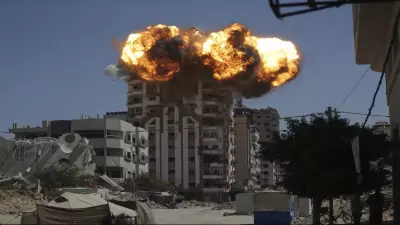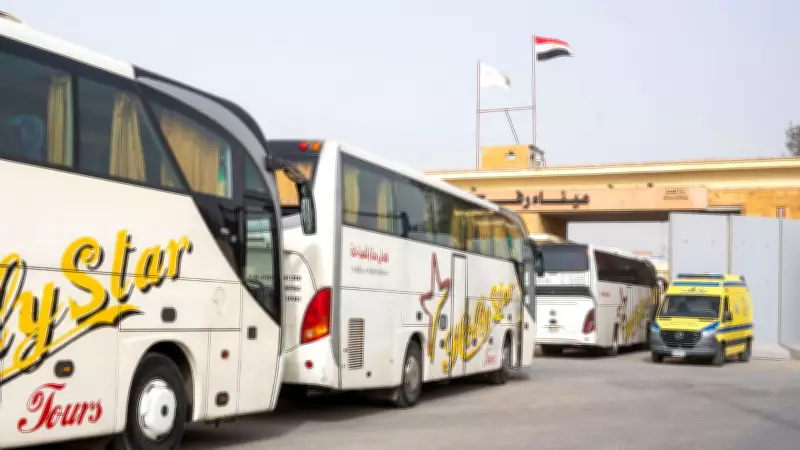
The Rafah border crossing, a critical gateway between Egypt and the Gaza Strip, has resumed operations after a period of closure, marking a significant development in the region's humanitarian and logistical landscape. This reopening facilitates the evacuation of Palestinian patients requiring urgent medical care to Egypt, while also permitting a limited number of Palestinians to enter Gaza under strict controls.
Humanitarian Corridor for Medical Evacuations
The primary focus of the Rafah crossing's reactivation is the establishment of a humanitarian corridor for medical evacuations. Palestinian patients, many suffering from severe injuries or chronic illnesses exacerbated by the ongoing conflict and blockade conditions in Gaza, are being transferred to Egyptian hospitals for treatment. This move aims to alleviate the immense strain on Gaza's healthcare system, which has been struggling with shortages of medical supplies, equipment, and specialized personnel.
Coordinated Efforts and Security Protocols
The evacuation process involves coordinated efforts between Egyptian authorities, Palestinian officials, and international organizations. Strict security protocols are in place to ensure the safe passage of patients and accompanying family members. Medical teams are stationed at the crossing to assess patients' conditions and provide necessary care during transit. This operation highlights the critical role of cross-border cooperation in addressing humanitarian crises.

Limited Entry for Palestinians into Gaza
In addition to medical evacuations, the Rafah crossing is allowing a restricted number of Palestinians to enter Gaza. This includes individuals returning to their homes, reuniting with families, or engaging in essential activities. Entry is subject to thorough vetting processes, including security checks and documentation verification, to maintain stability and prevent unauthorized movements. The limited nature of this access reflects the ongoing geopolitical complexities and security concerns in the region.
Impact on Gaza's Population and Economy
The reopening, albeit partial, offers a glimmer of relief for Gaza's beleaguered population. It enables the flow of some essential goods and personnel, potentially easing shortages of food, medicine, and other necessities. However, the restrictions underscore the broader challenges faced by Gazans, including economic hardship, limited mobility, and dependence on external aid. The crossing's operational status remains fluid, influenced by diplomatic negotiations and security assessments.
Regional and International Context
The Rafah crossing's reopening occurs against a backdrop of heightened tensions and diplomatic efforts in the Middle East. It serves as a barometer for regional relations, particularly between Egypt, Israel, and Palestinian factions. International actors, including the United Nations and humanitarian agencies, have advocated for sustained access to facilitate aid delivery and protect civilian welfare. The situation underscores the delicate balance between security imperatives and humanitarian needs in conflict-affected areas.
As operations continue, monitoring the crossing's functionality will be crucial for assessing its long-term impact on Gaza's humanitarian situation and regional dynamics. The hope is that this reopening paves the way for more comprehensive solutions to address the underlying issues facing the Palestinian people.