

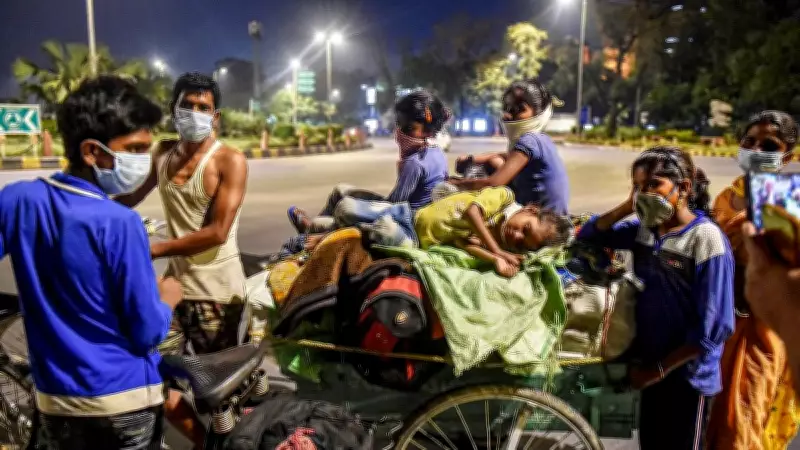
Indian migrant workers are once again gripped by fear of a repeat of the 2020 exodus, as concerns over economic instability and inadequate social support resurface. A Bloomberg Opinion piece highlights that while digital identity systems have been built on top of the existing welfare framework, the underlying machinery of the welfare state remains creaky and difficult to overhaul.
Renewed Anxiety Among Migrant Laborers
Many migrant laborers, who were stranded and forced to walk long distances during the 2020 lockdown, are now quivering with fear at the possibility of another crisis. The memory of that harrowing experience lingers, and recent economic disruptions have revived anxieties about their safety and livelihood.
Challenges in Welfare State Reform
Experts argue that updating the creaking machinery of the welfare state is a far more complex task than layering a digital identity system on top of it. While digital initiatives like Aadhaar have streamlined identification, the actual delivery of welfare benefits remains plagued by inefficiencies, corruption, and lack of coordination.

The opinion piece underscores that without comprehensive reforms to social security, healthcare, and emergency support, migrant workers remain vulnerable. The digital infrastructure, though advanced, cannot compensate for the systemic failures that leave millions without a safety net.
As the debate continues, the focus must shift from merely digitizing welfare to fundamentally strengthening the institutions that deliver it. Only then can the fear of another exodus be truly alleviated.






