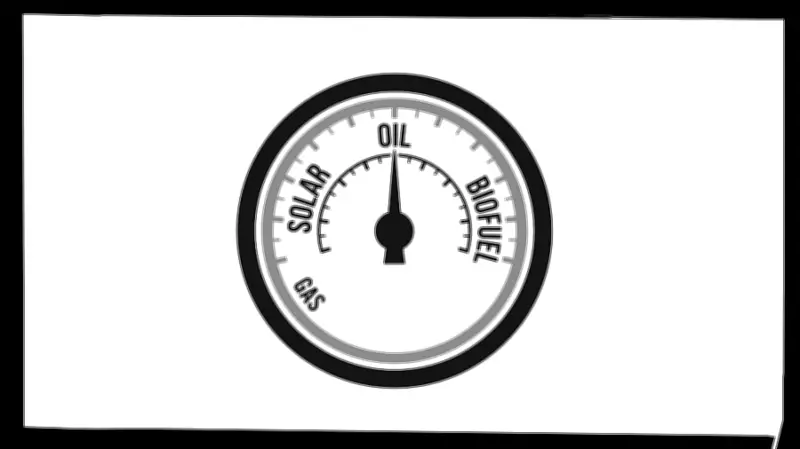
The recent oil shock has once again underscored the vulnerability of economies heavily dependent on imported crude. For India, the lessons are stark: diversification of the fuel base is not a matter of choice but of strategic necessity. While steps have been taken, the progress remains fragmented and insufficient to insulate the nation from global price volatility.
Current Initiatives and Their Impact
Compressed biogas (CBG) plants are being set up across the country, leveraging agricultural waste and organic matter to produce a renewable fuel. Similarly, ethanol blending with petrol has reached significant levels, reducing the demand for imported gasoline. Early pilots in green hydrogen production are also underway, aiming to decarbonize industrial sectors. These initiatives are steadily expanding the fuel base, but they operate in silos without a cohesive national strategy.
Fragmentation and Challenges
The expansion of these alternative fuels faces multiple hurdles. CBG plants suffer from feedstock supply chain issues and lack of standardized pricing. Ethanol blending is constrained by water availability and competition with food crops. Hydrogen pilots are capital-intensive and require massive infrastructure investments. Moreover, state-level policies often conflict with central directives, creating regulatory bottlenecks.

Another critical gap is the absence of an integrated energy transition roadmap. While the government has set ambitious targets for renewable energy and electric vehicles, the role of gaseous fuels and biofuels remains underemphasized. This fragmented approach risks creating stranded assets and inefficient allocation of resources.
Way Forward: A Unified Strategy
To truly learn from the oil shock, India must adopt a holistic energy policy that aligns all alternative fuel initiatives under a common framework. This includes:
- Standardizing regulations across states for CBG, ethanol, and hydrogen to attract private investment.
- Developing robust supply chains for biomass and other feedstocks through contract farming and waste management.
- Incentivizing research and development in green hydrogen electrolysis and storage technologies.
- Integrating fuel diversification with transportation and industrial decarbonization goals.
Additionally, public awareness campaigns and skill development programs are essential to build a workforce capable of managing these new technologies. International collaborations, especially with countries like Germany and Japan in hydrogen technology, can accelerate progress.
Conclusion
The oil shock is a wake-up call. India's efforts in CBG, ethanol, and hydrogen are commendable but remain scattered. Without a unified strategy, the nation will continue to be exposed to geopolitical and market risks. A coordinated, policy-driven approach can transform these fragmented initiatives into a resilient and sustainable energy ecosystem, ensuring energy security for the future.